Half a Second
The case study: how the series was made
The brief
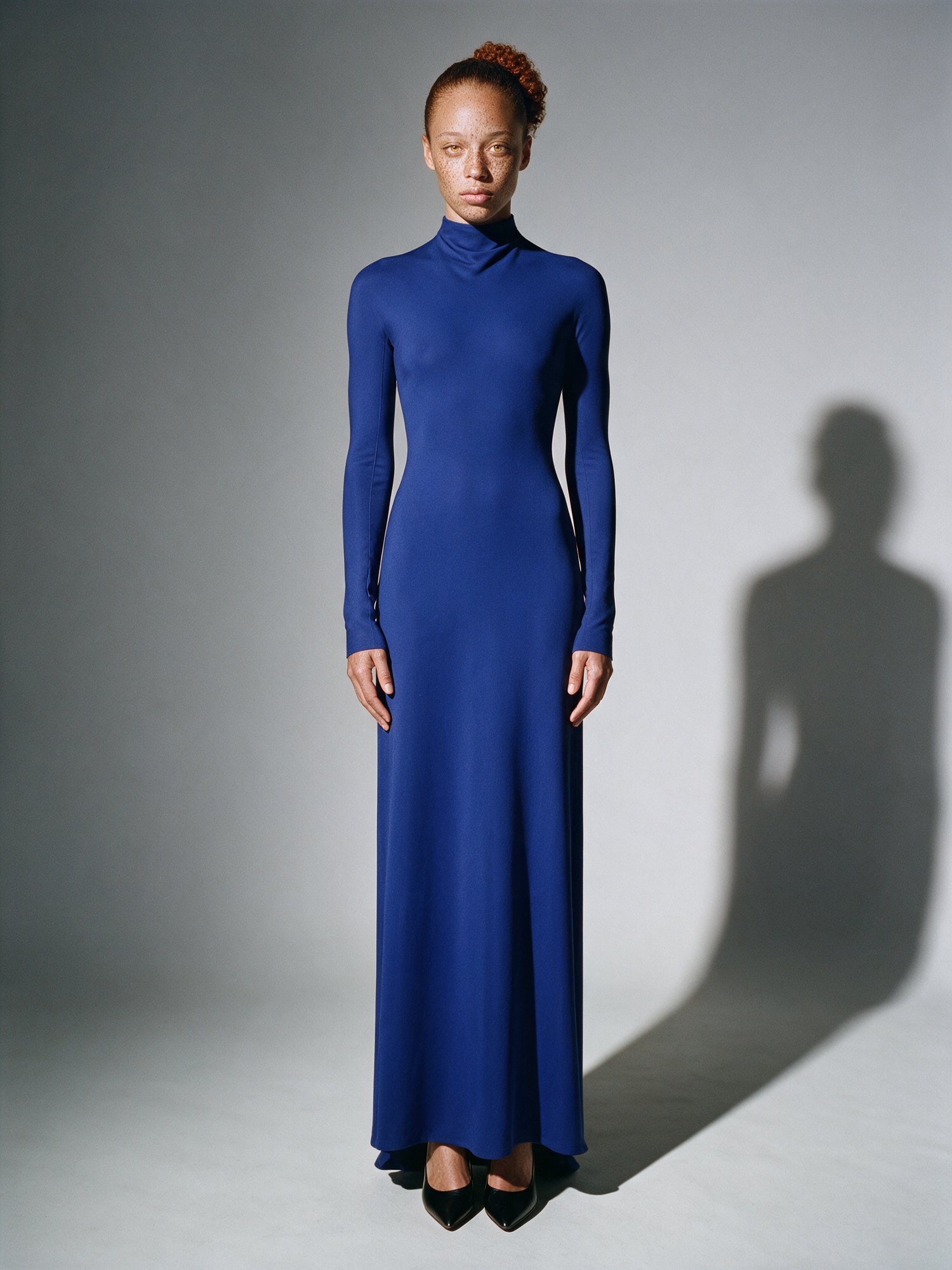
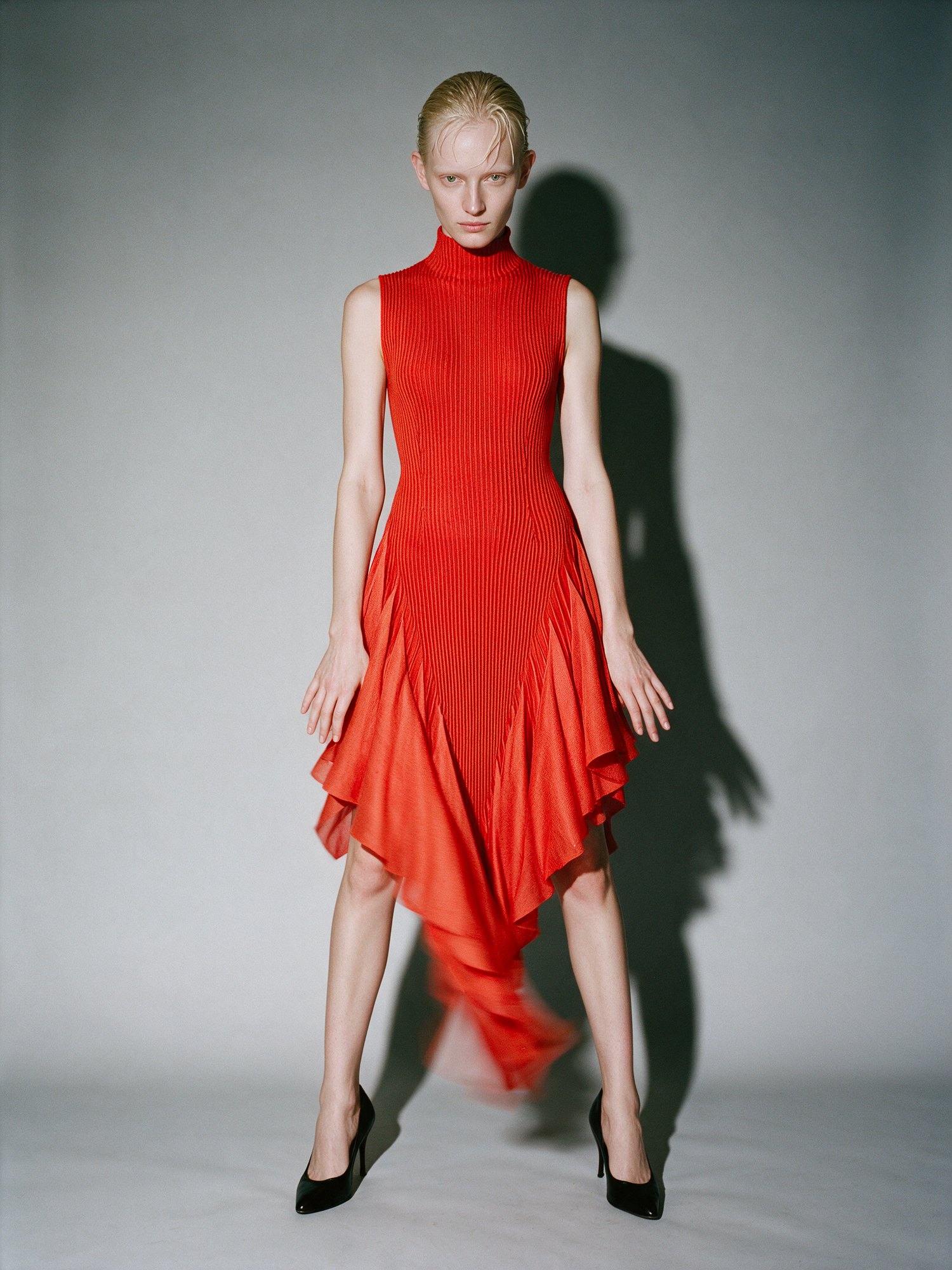
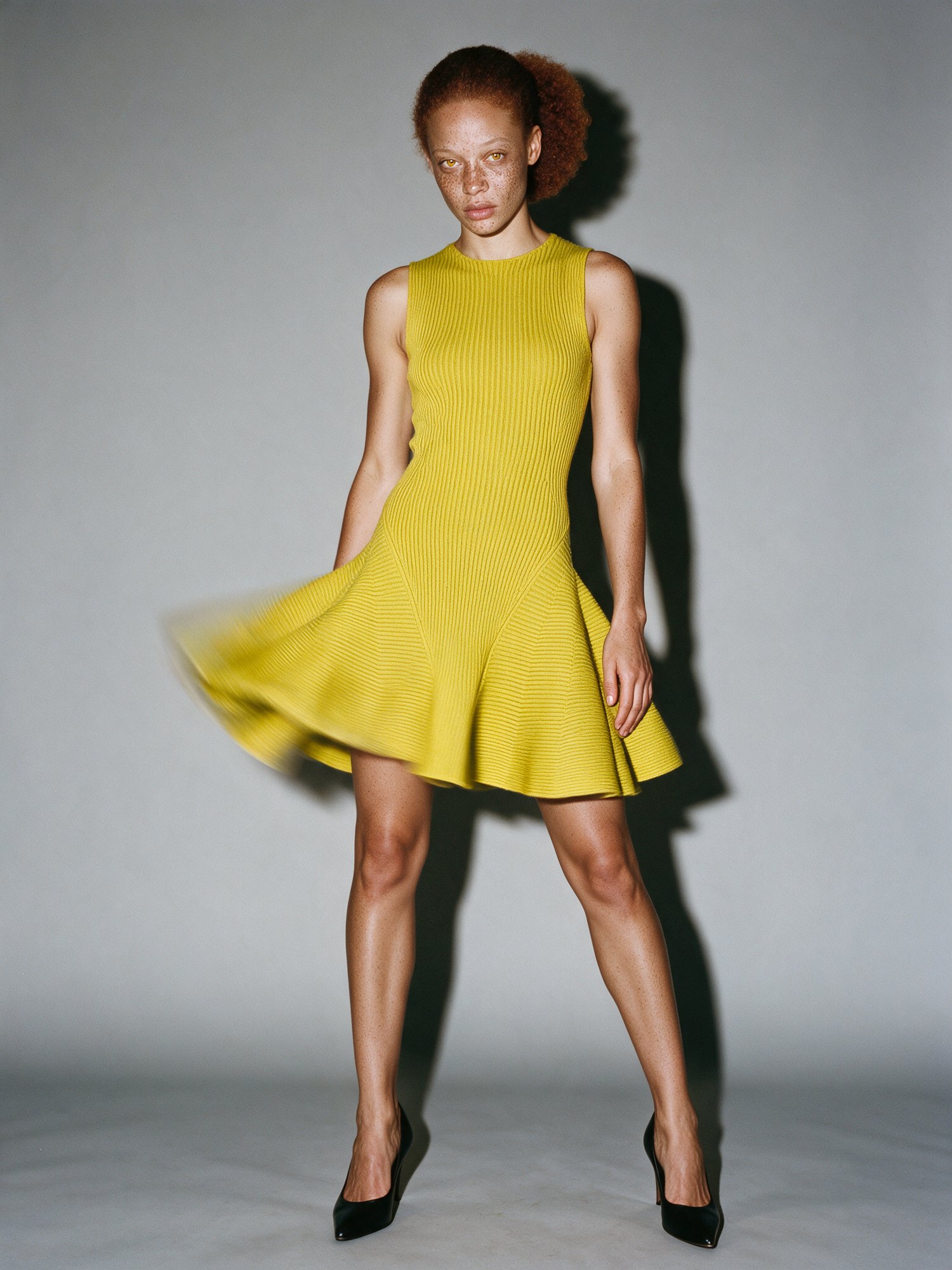
This is a studio series, and a studio hides nothing. There is grey paper, one flash and one dress.
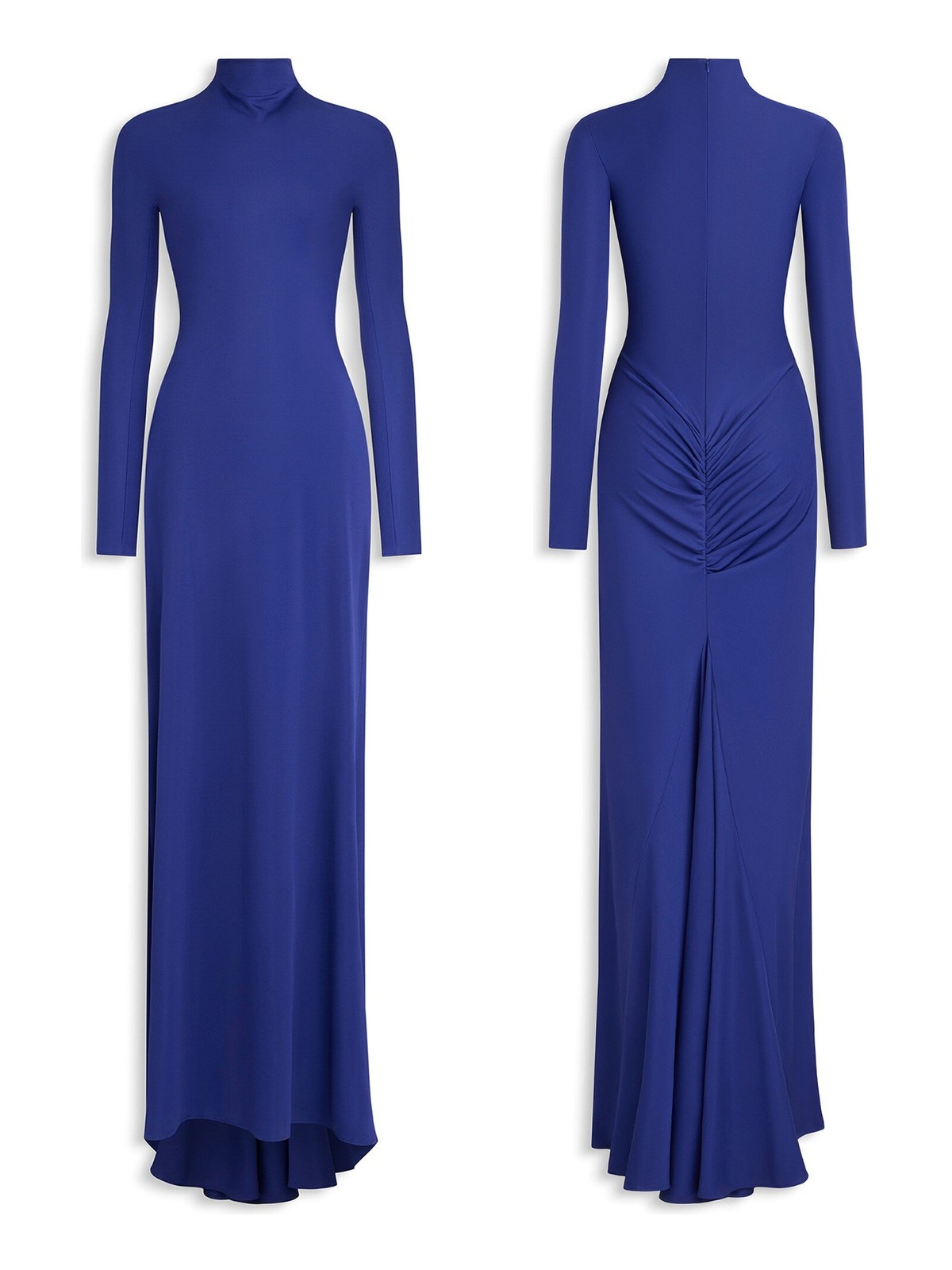
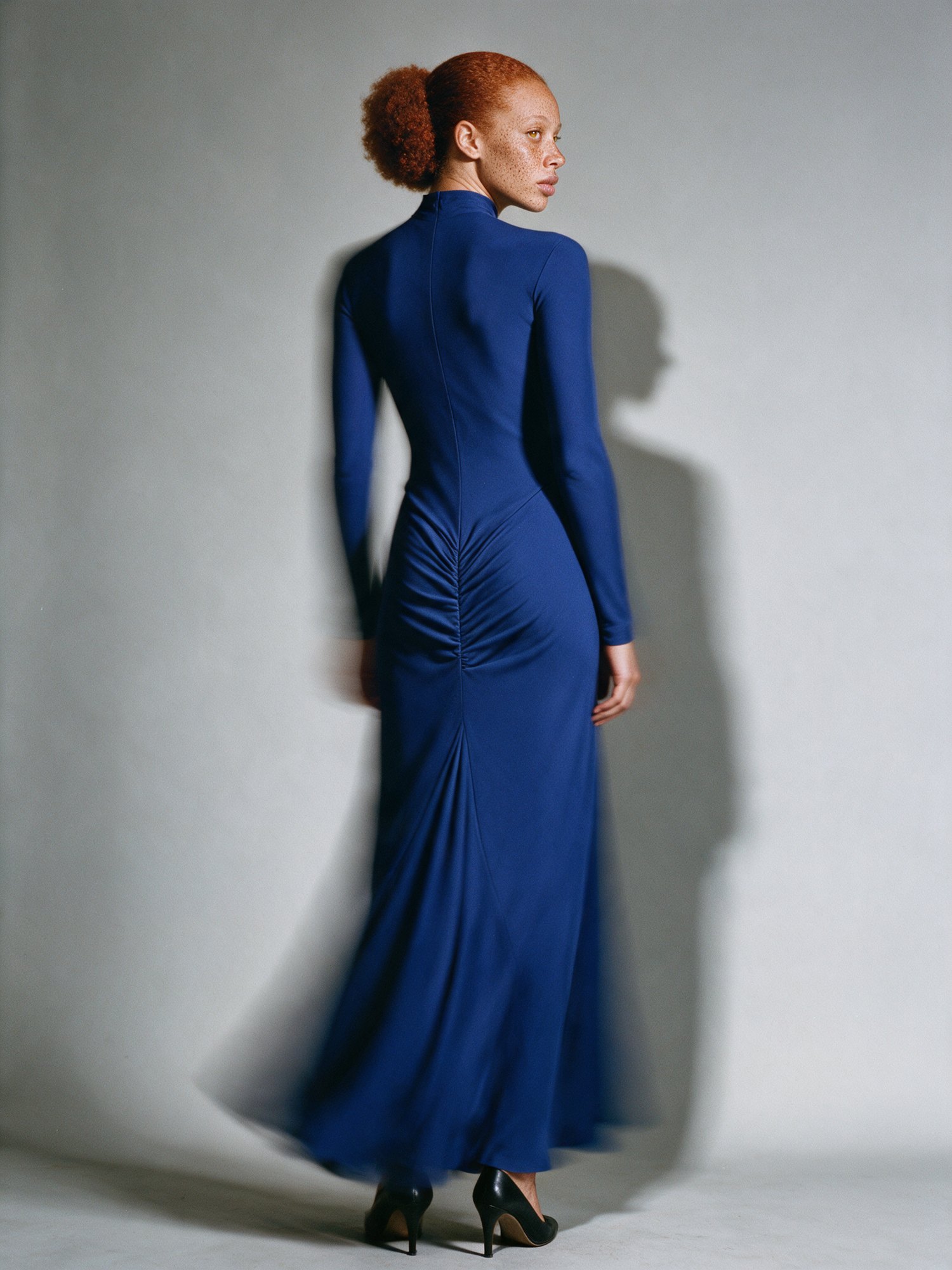
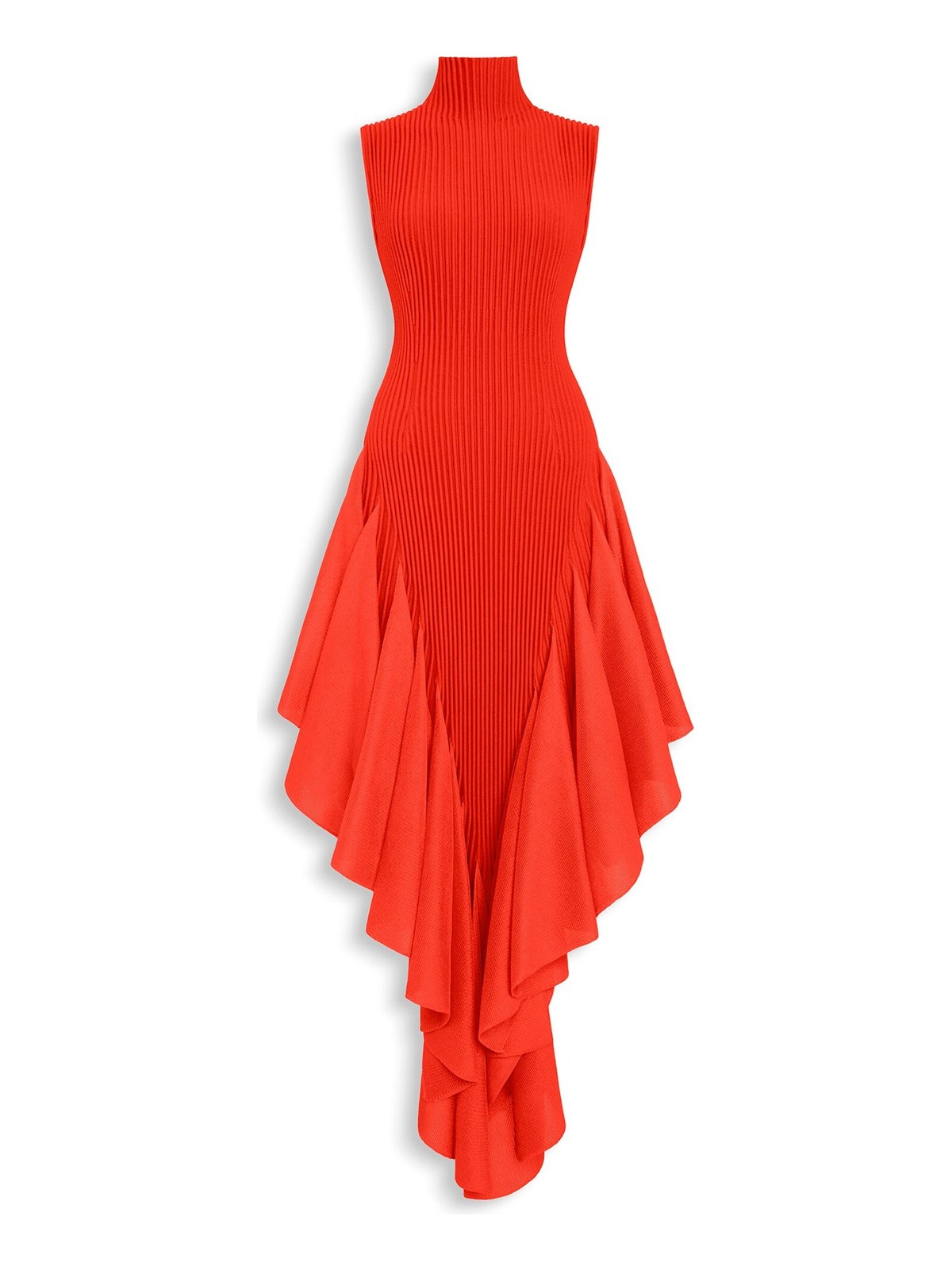
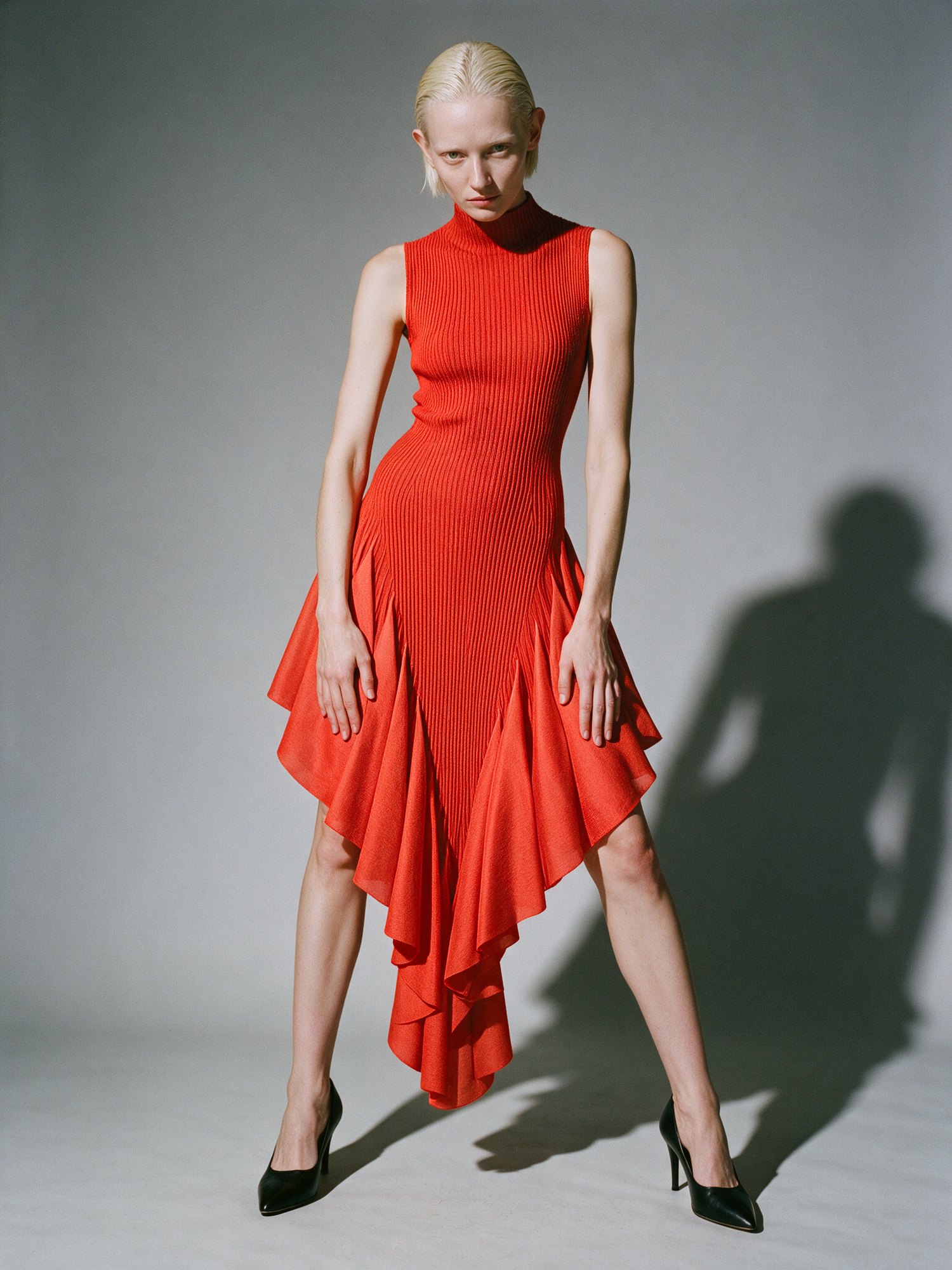
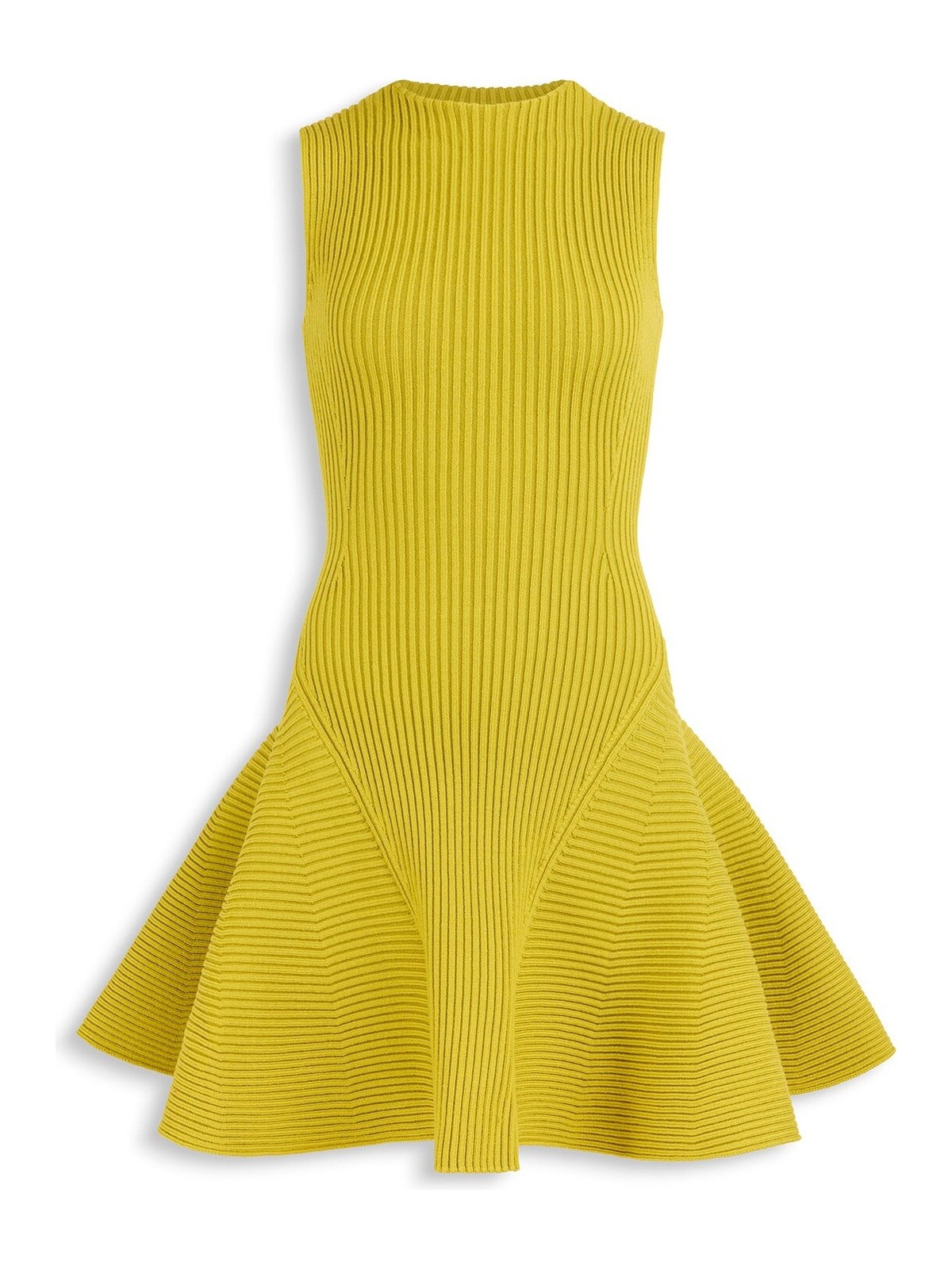
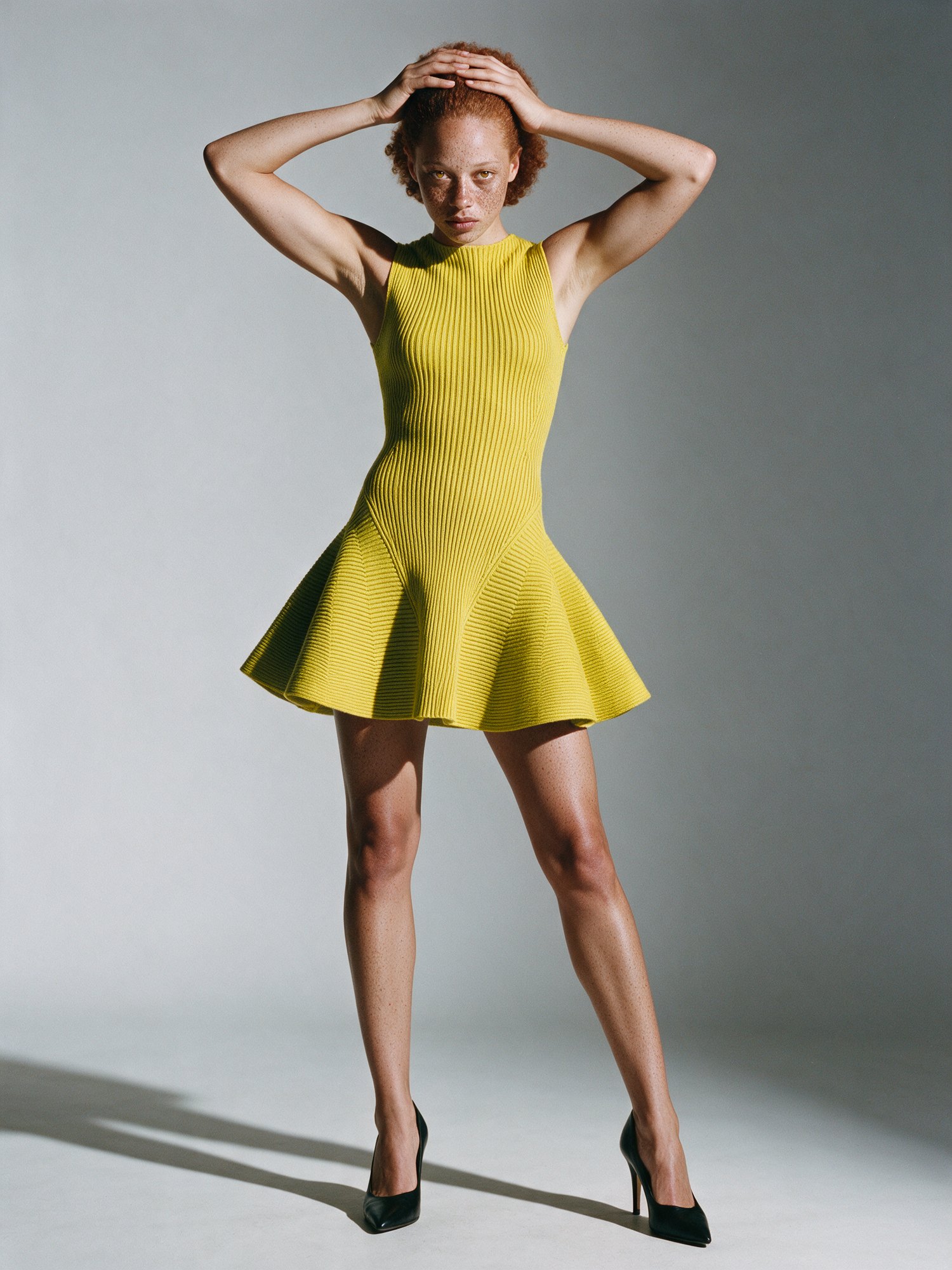
The test was accuracy. Could generated images show a real designer’s clothes closely enough to sit beside the designer’s own product photographs? So every dress is shown as a triptych, with Alaïa’s product photo in the middle and a generated frame on each side.
It was also a test of finishing. A generator gets a dress close. Bringing its color to the product photograph is post-production work, and that is Finalbyte’s trade.
Casting
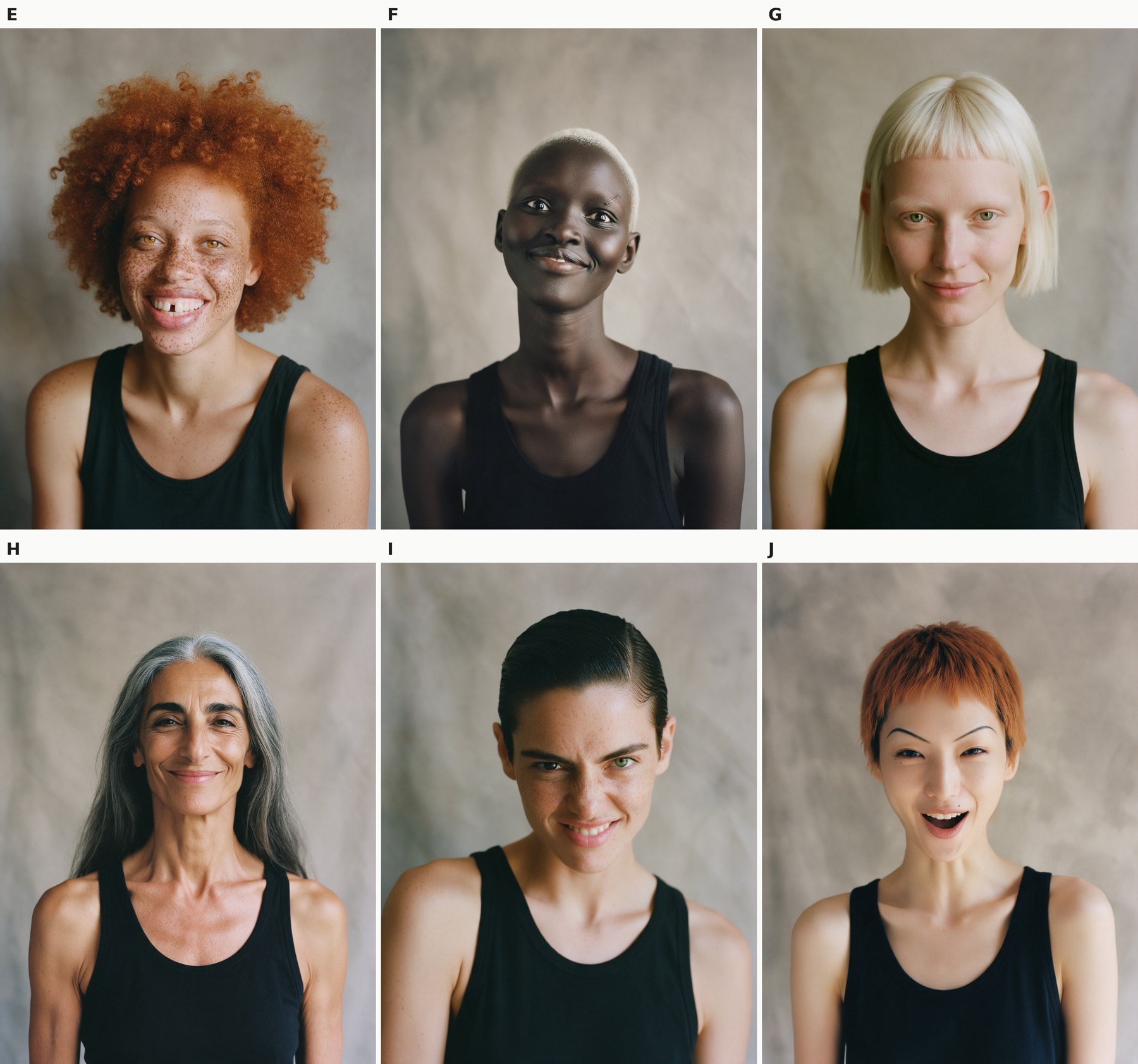
Nine dresses came from Alaïa’s online collection, picked for their cut and for how they would move. Three women were invented to wear them, cast for faces you would remember. None of them is a real person, and Alaïa’s own models were never used. Where the brand’s on-body photos served as garment references, they were cropped below the neck first.
Casting took two rounds. The first four faces were set aside as too plain. A second sheet of six went for stronger features, and three were chosen from it: E, G and J.
The look
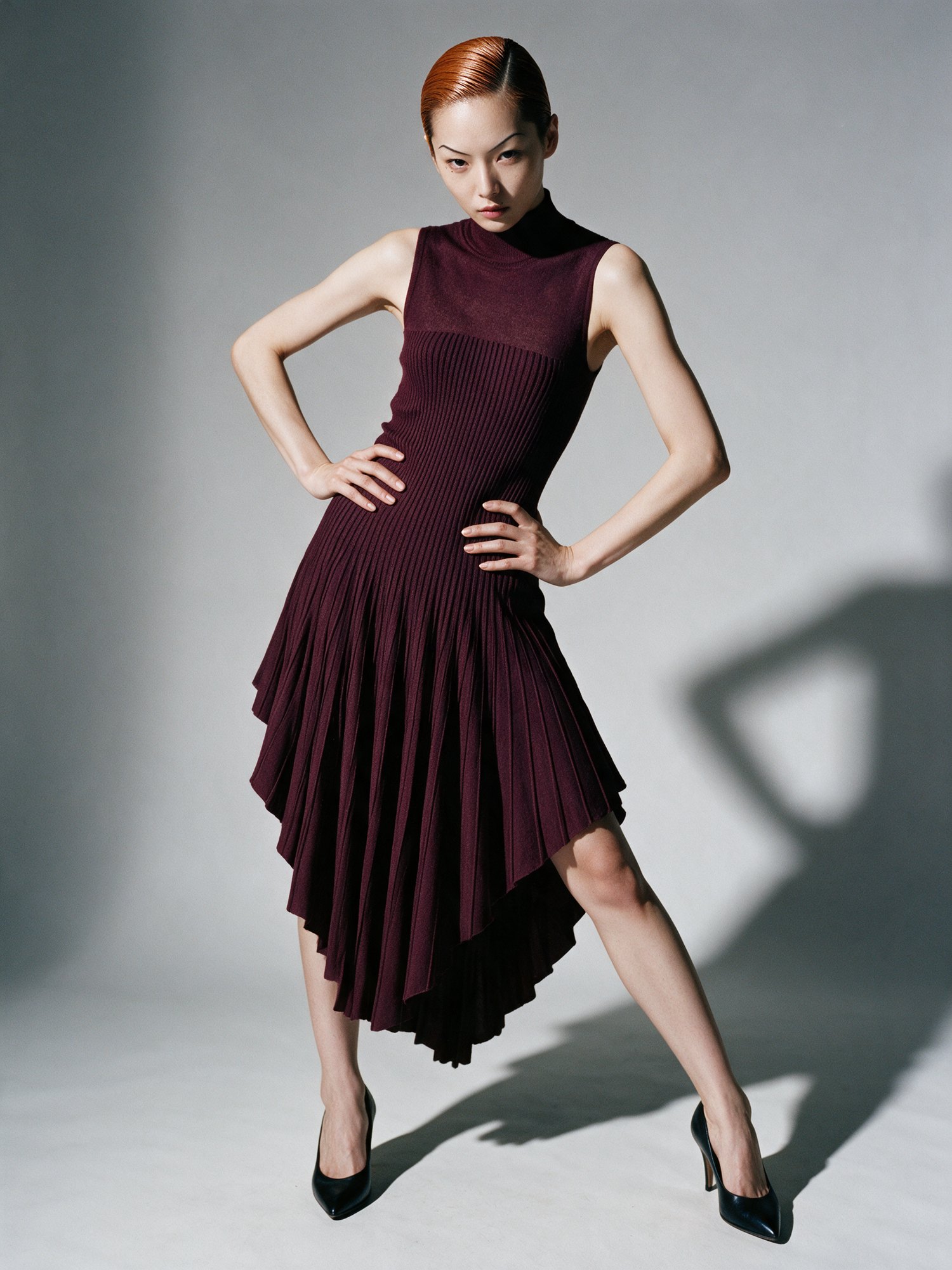
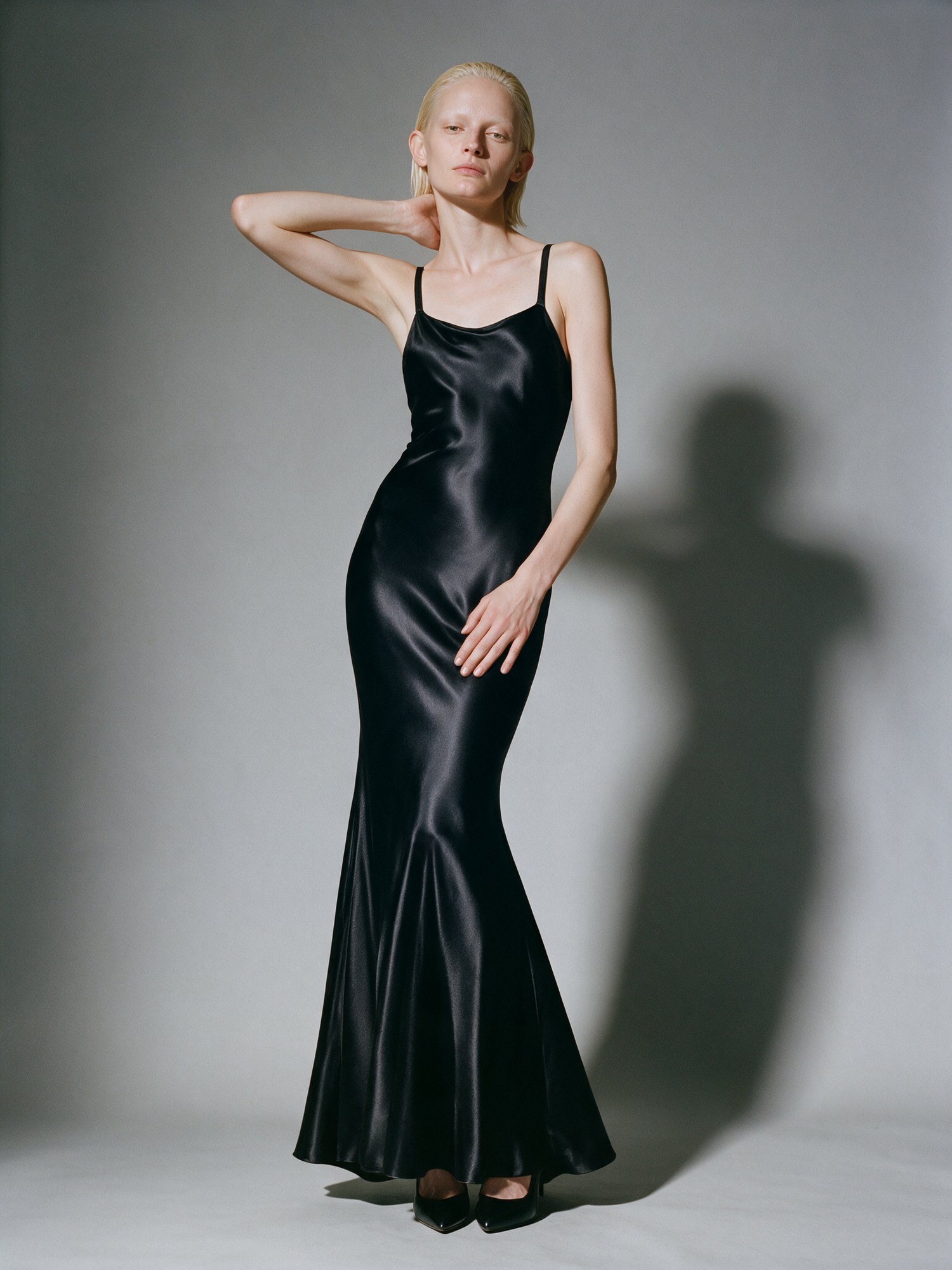
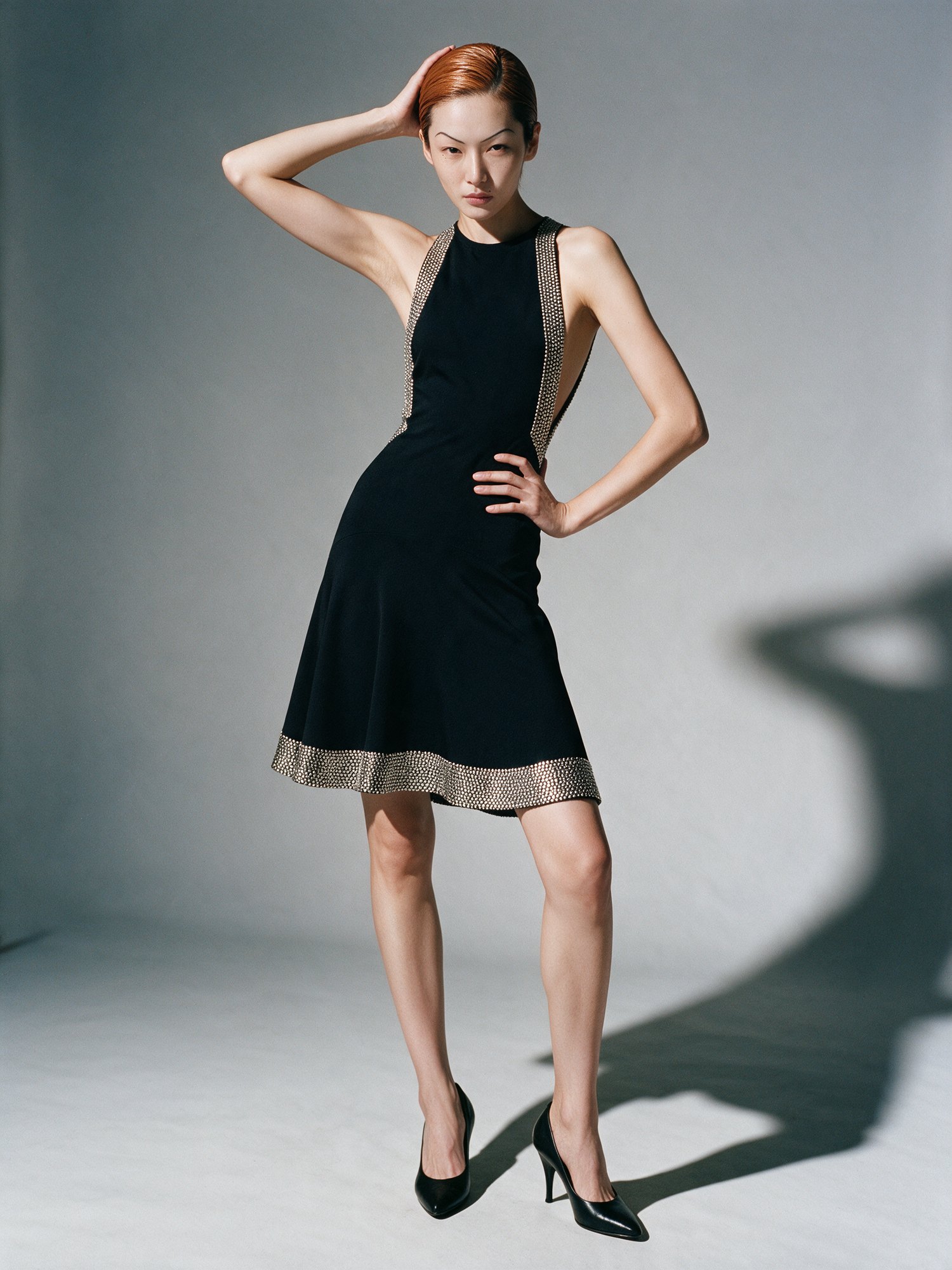
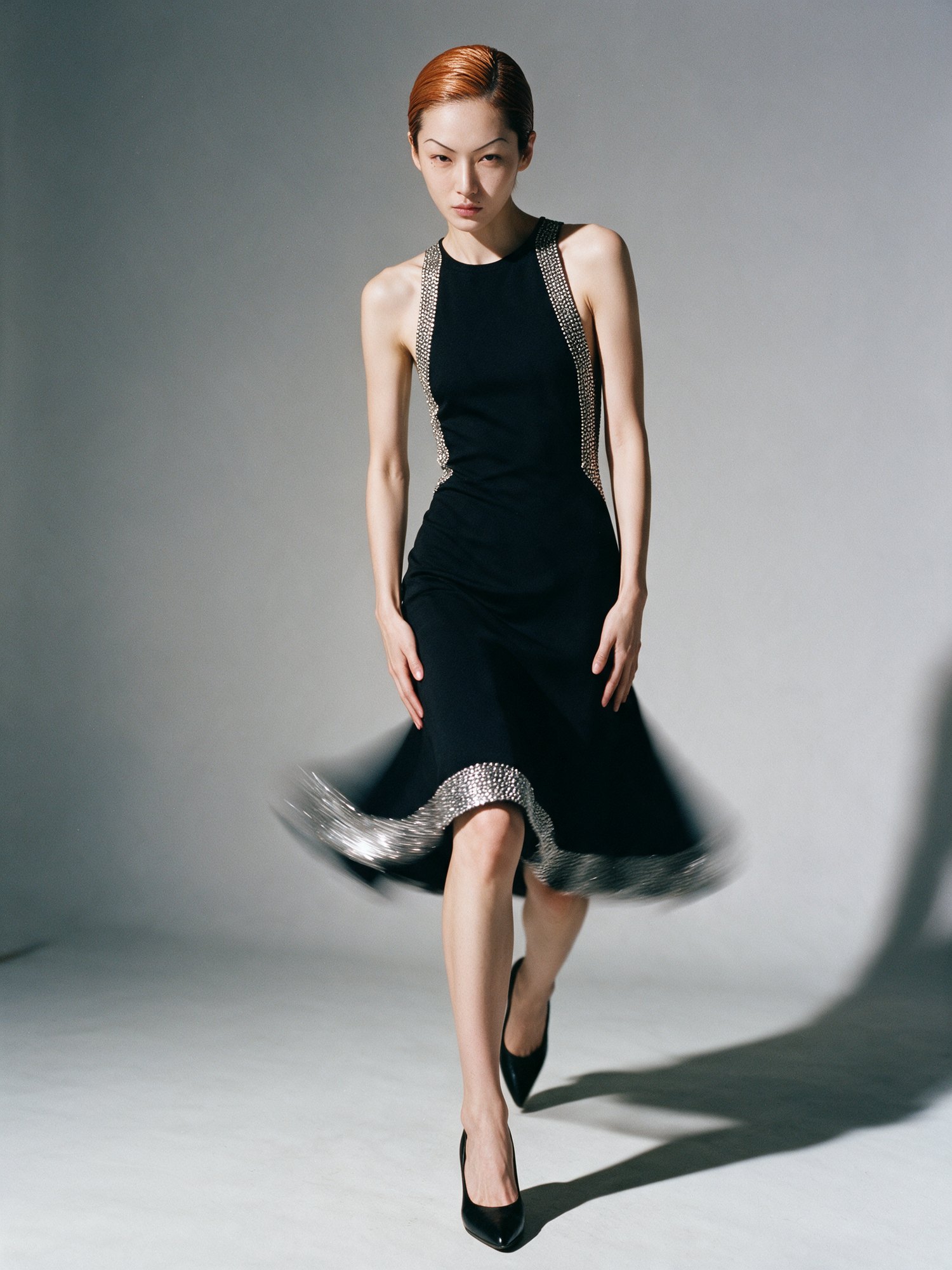
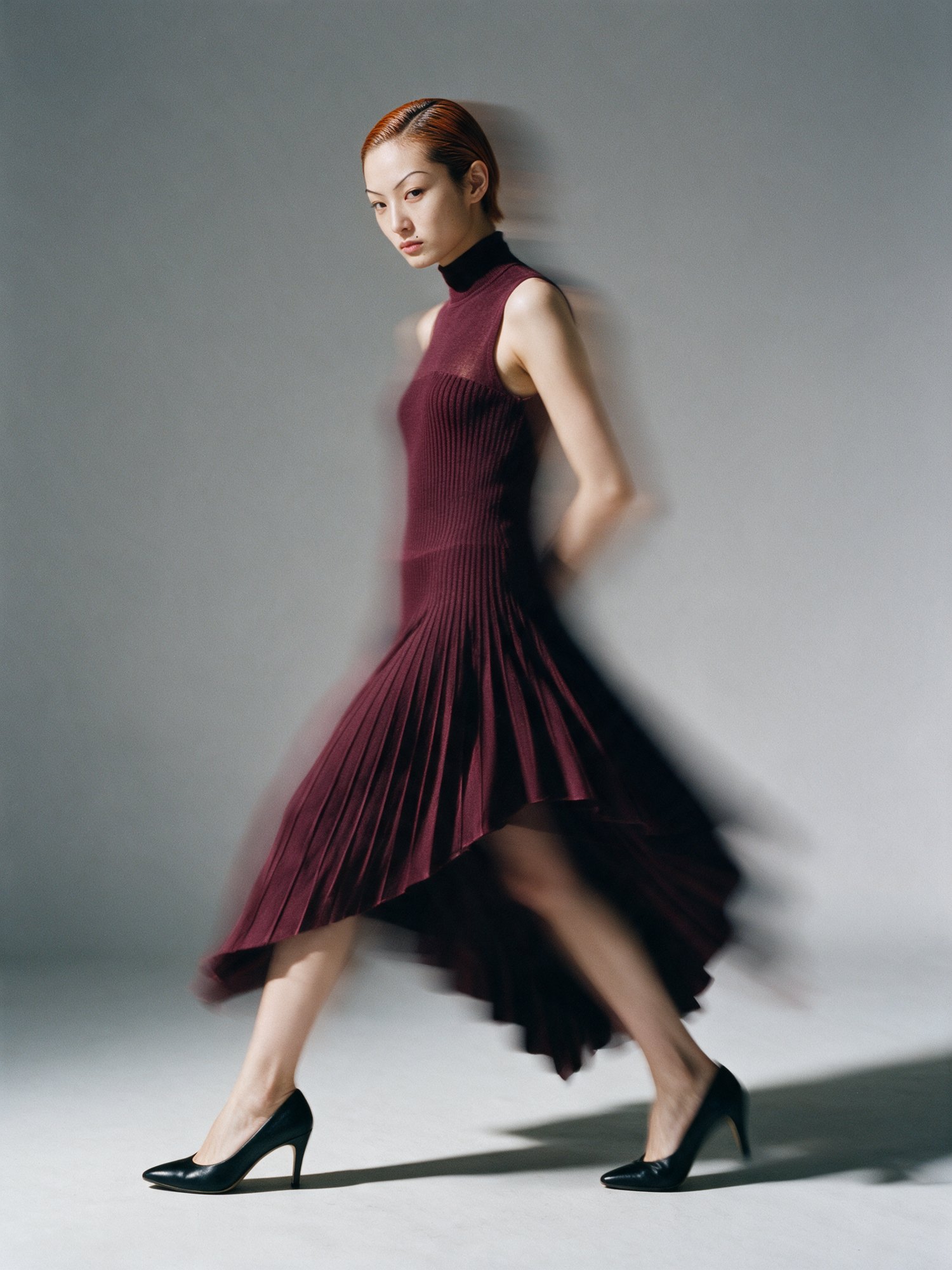
The look is the same in every frame: seamless grey paper, one hard flash from the left, slicked hair, plain black pumps, no smiles. The posing takes its cue from Alaïa’s own imagery, where the body is treated as sculpture.
Still and slow shutter
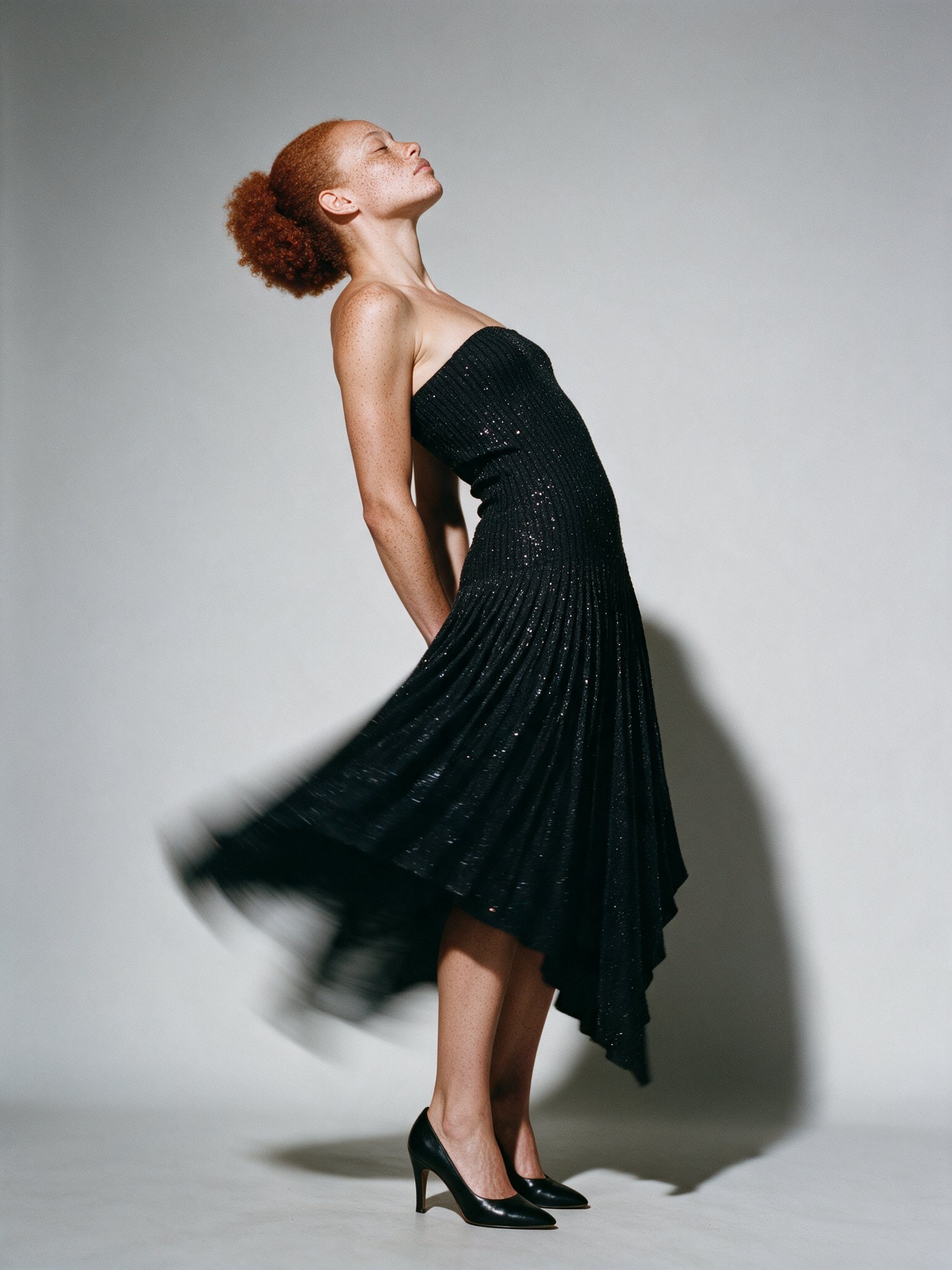
Each dress was made twice. The first frame is a studio still. The second imitates a long exposure with the flash fired at the end, so the face stays sharp while the skirt blurs.
The check
Then came the check. Every frame was laid beside Alaïa’s product photo and compared seam by seam, hem by hem. Anything that did not match was generated again from scratch. Nothing was painted over a finished image.
A hem cut flat
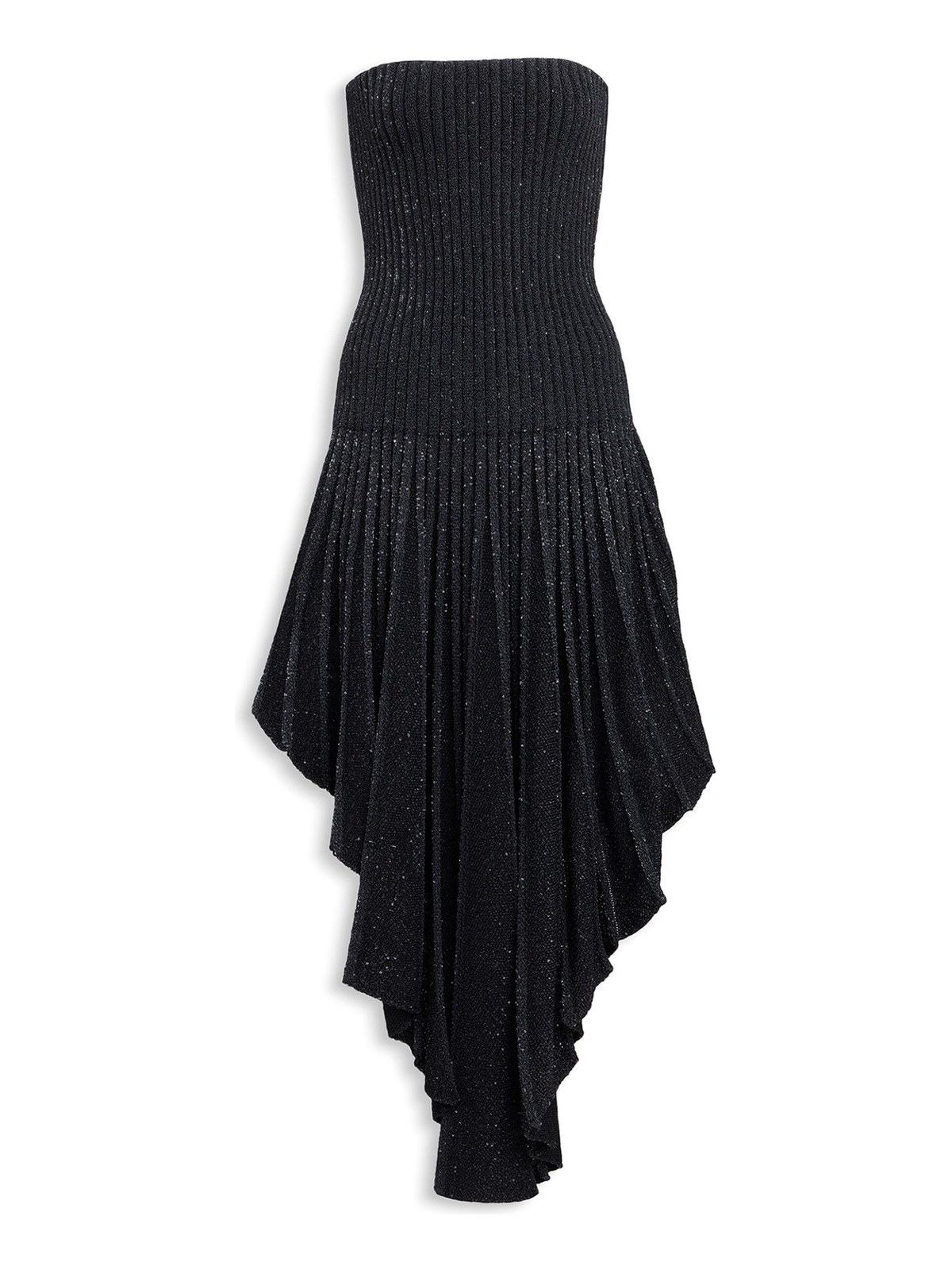
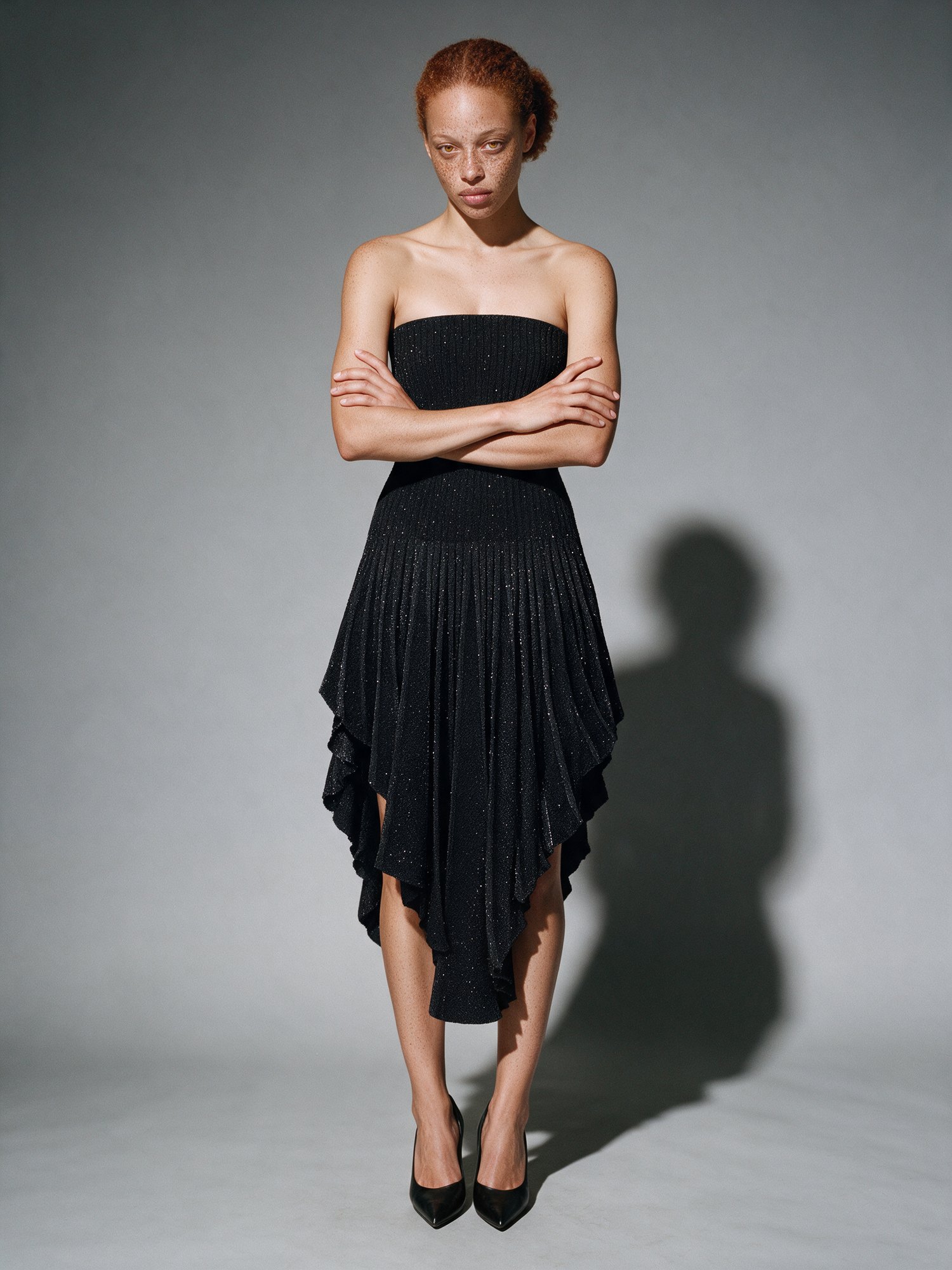
The sequinned bustier dress ends in a narrow tail cut flat across. The generator kept finishing it in a point, and it took five versions to get the blunt end. What fixed it was an enlarged crop of that hem from Alaïa’s photo, used as a reference. The earlier attempts also had to come out of the references, because they kept teaching the same mistake.
Wool with a sheen
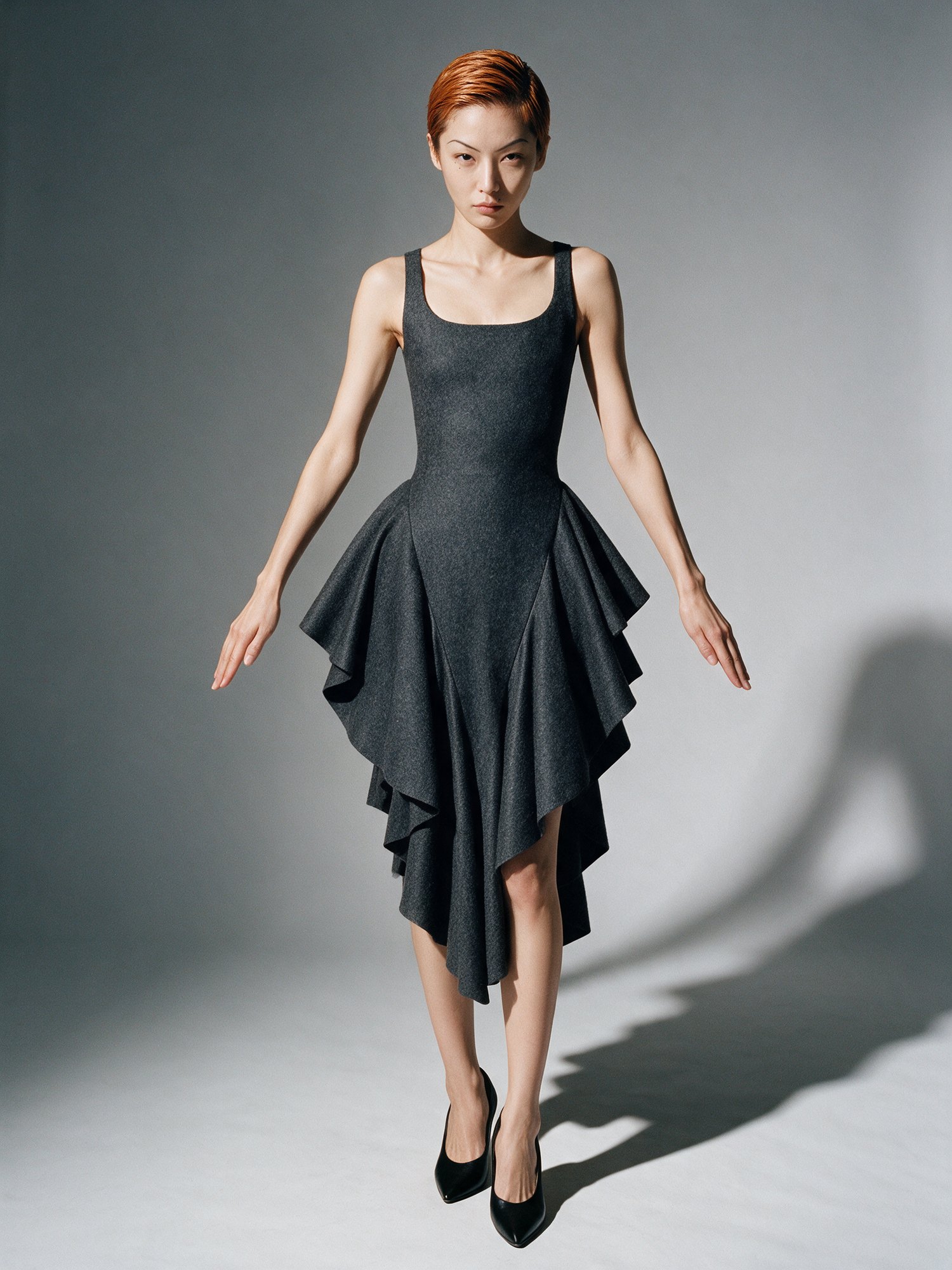
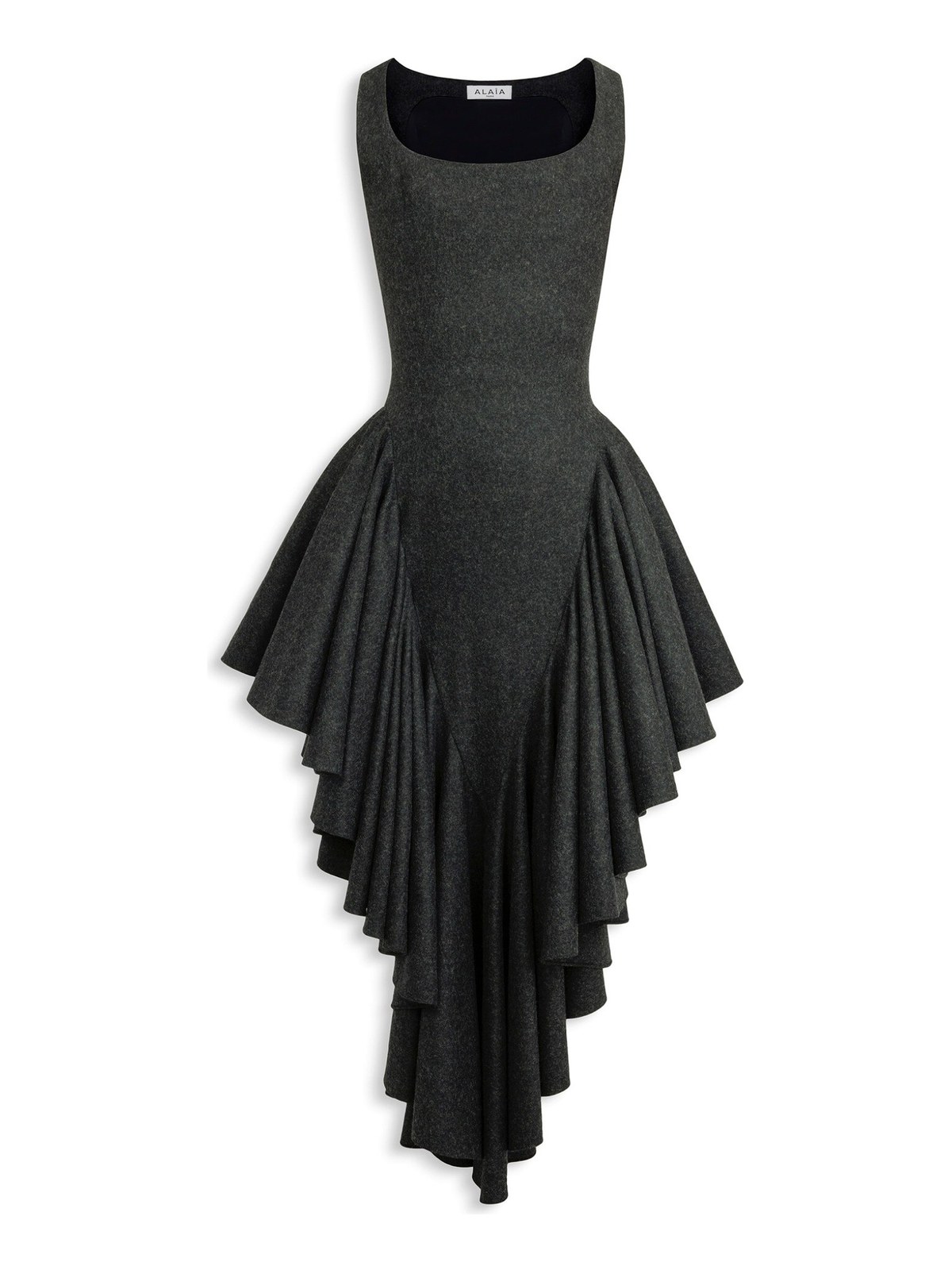
The felted wool dress first came out with a sheen. A close-up of the real fabric brought it back to matte wool. Alaïa’s on-body photo also showed something the flat product shot hides: the dress opens at the side when worn.
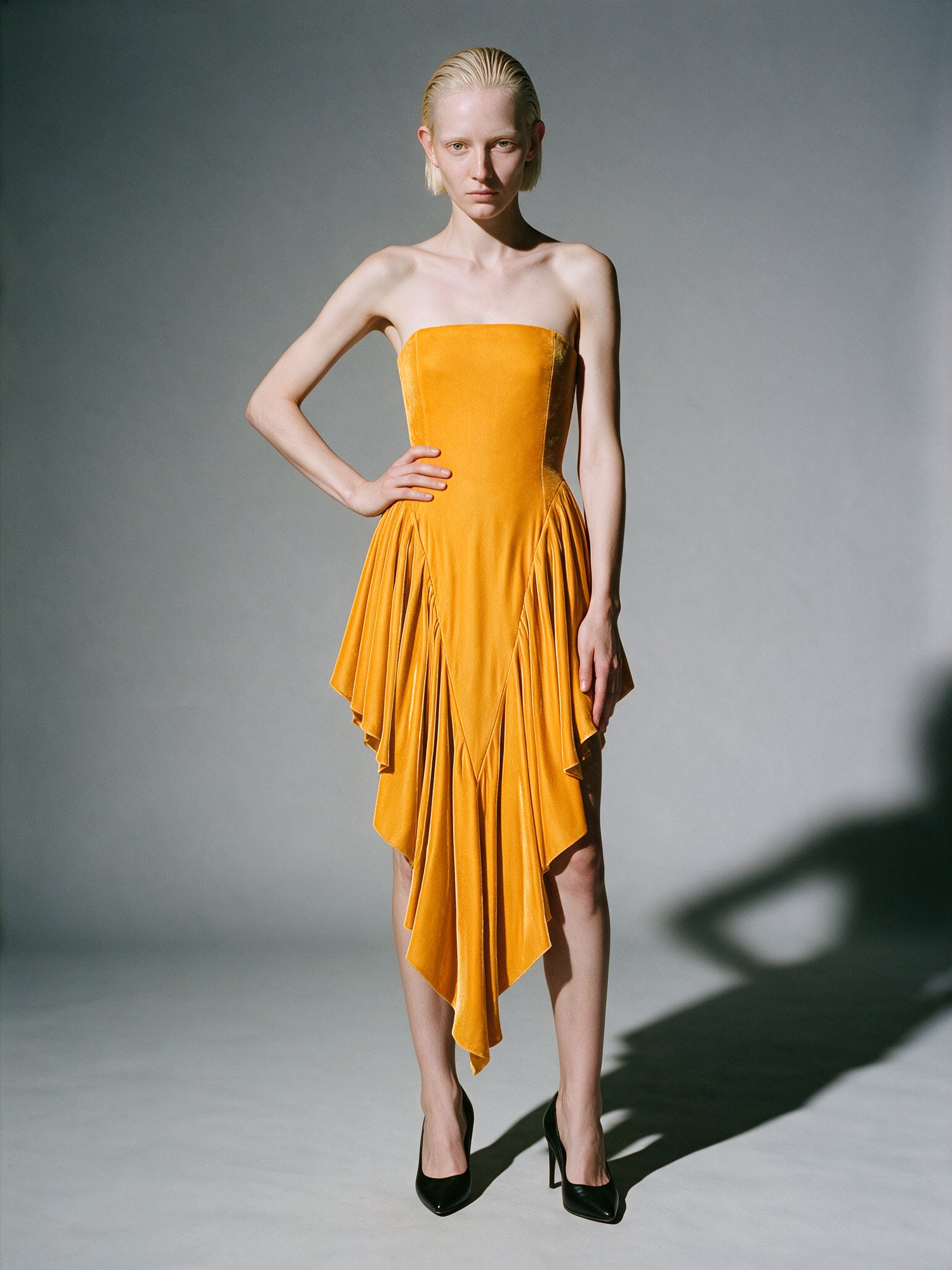
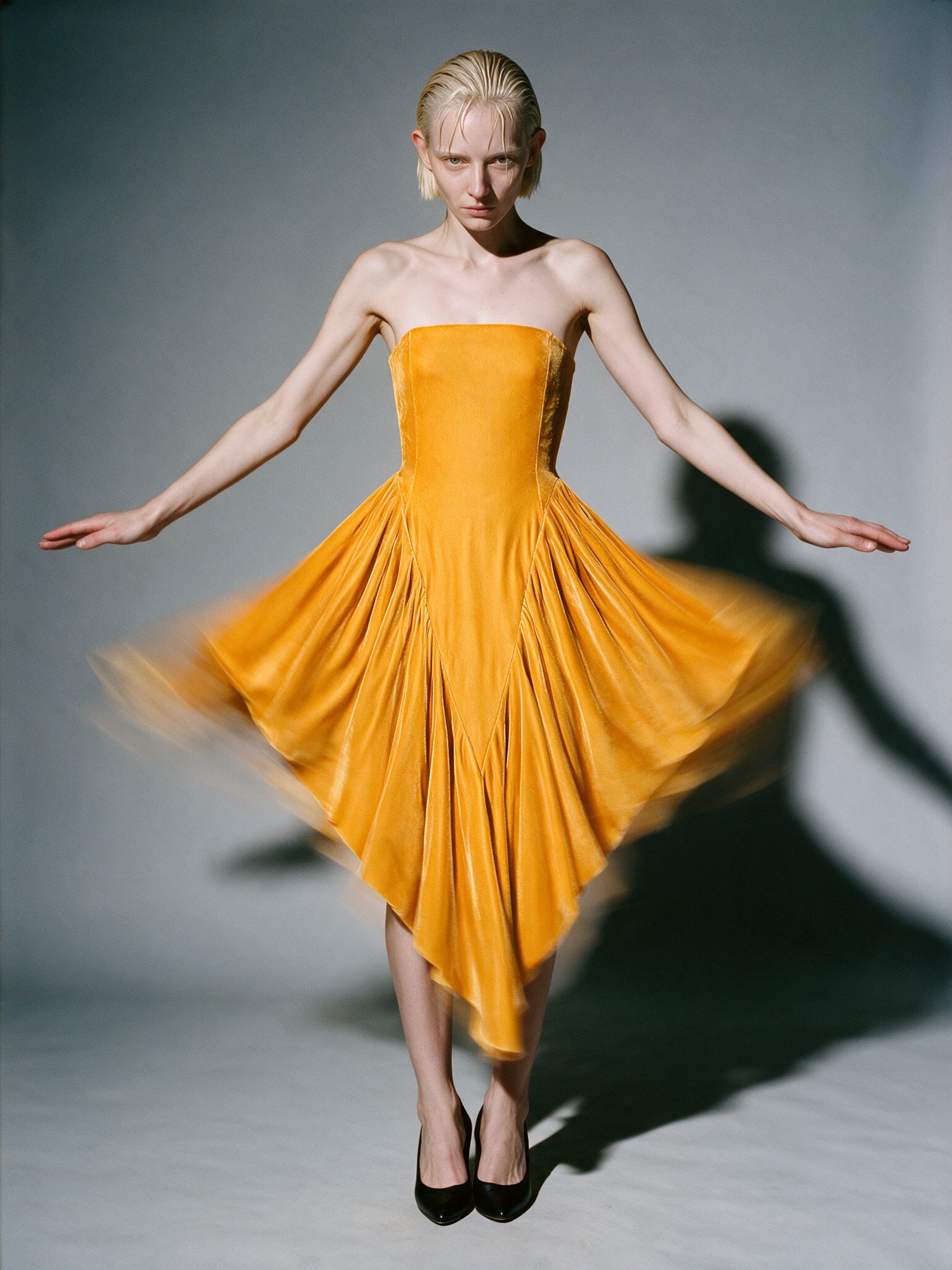
Velvet in motion
The velvet triangle dress in motion took six versions. Movement pulled the skirt apart, swung the long point off to one side, or opened gaps beside the centre panel. The final frame keeps the front as one triangle and puts the blur at its edges.
Post-production
Generation was half the job. Finalbyte is a post-production company first, and the series was finished the way a shoot would be.
Each dress was measured against Alaïa’s product photograph, then graded on its own. The red, lime and velvet dresses were corrected: hue set to the product’s, saturation lifted toward it. Skin, hair and backdrop were kept out of the correction, so the models did not shift with the dresses.
The backdrop paper was then matched to one grey across all 18 frames, wall and floor, with exposure left alone.
The result
Eighteen frames in nine triptychs. About 200 frames were generated to get there. Two were redone after the whole set was laid out together, because the group showed what single frames had not.
In post, three dresses were graded to Alaïa’s color and the paper was matched to one grey throughout.
For a brand, the middle panel is the point. The real dress sits between the two generated frames, and the comparison is left open for anyone to make.
Half a Second is a spec campaign for Alaïa, made without the brand’s involvement. The dresses are Alaïa’s: the Fluid Jersey Dress, the Ribbed Skater Dress, the Sequins Knit Bustier Dress, the Wool Silk Blend Knit Triangle Dress, the Velvet Bustier Triangle Dress, the Satin Crepe Slip Dress, the Sculpting Pointed Dress, the Studded Flared Dress and the Felted Wool Triangle Dress. The three women are invented. Product photographs are Alaïa’s, shown for comparison. Images generated and finished by Finalbyte.