Inheritance
A spec campaign, told by the granddaughter
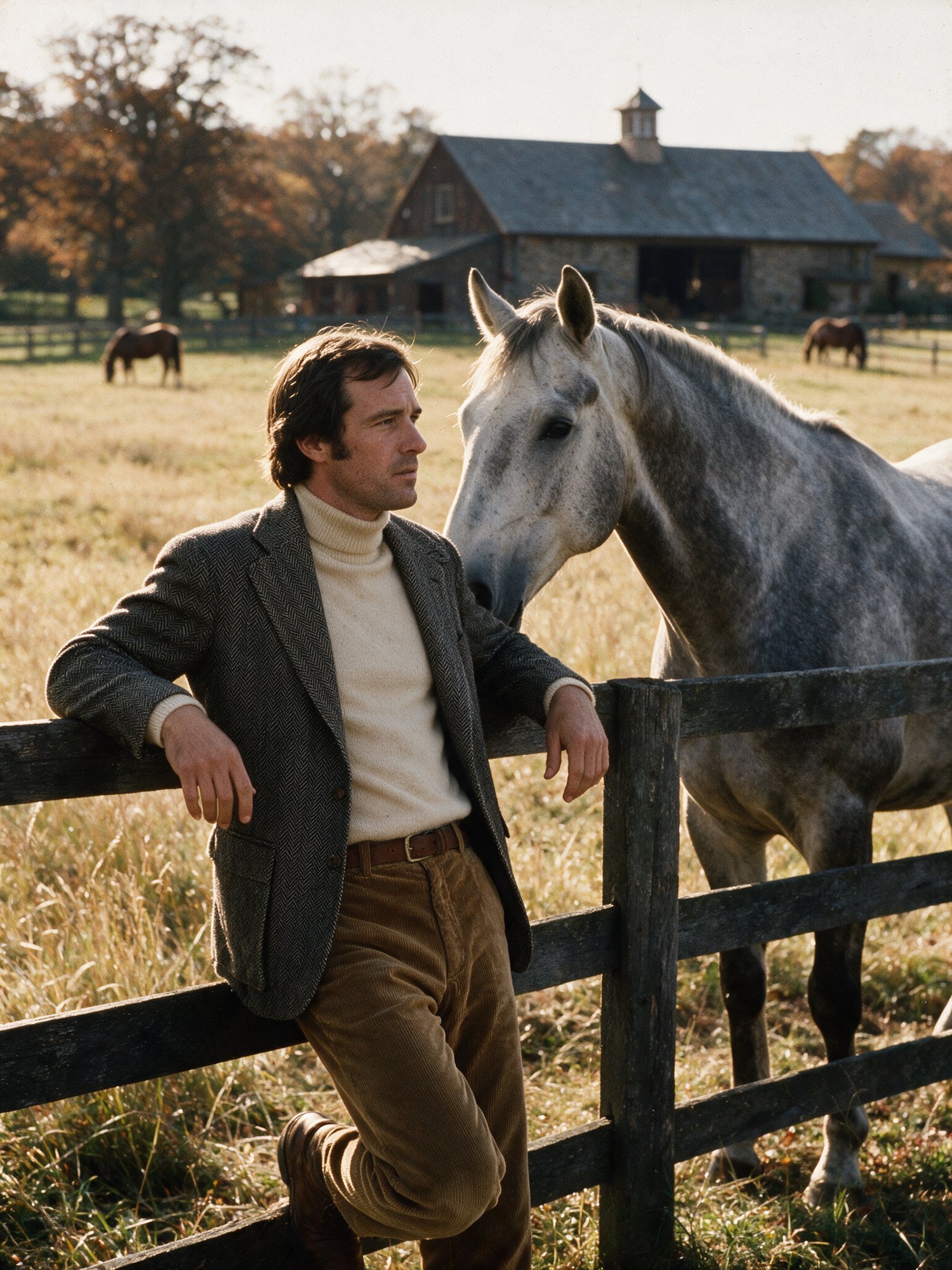
The photograph first, because it is where I go when I want him. My grandfather at thirty, the autumn of 1972, leaning on a fence he had finished that week, the grey mare at his shoulder and the jacket on. The oak behind him is no taller than the barn. He is not smiling, which my grandmother said was him being pleased, and I have come to believe her, because I have the same face and the same trouble with it. The jacket was a week old. She said he wore it to the sale and then to pull a foal, in that order, and that the foal was the only one of the two he ever talked about.
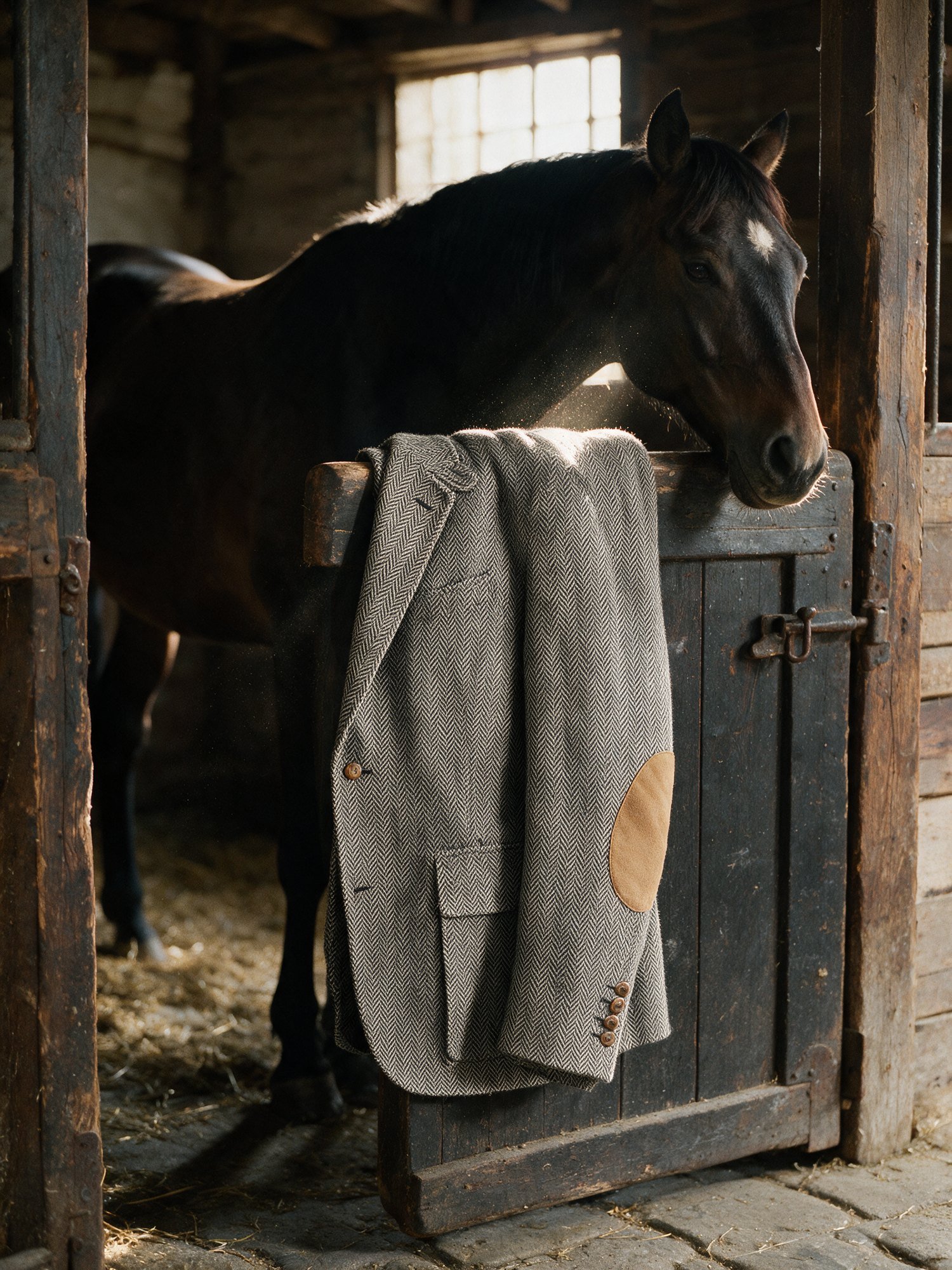
I was eleven when he died. I remember the funeral less than I remember the morning after it, when I went out to the barn because nobody had told me not to, and found the jacket where he had left it on the stall door, and stood there in the straw with my face in it for a long time. It smelled of him, and of the mare, and of the pipe he had been told to give up. My grandmother let me keep it on the back of my chair for a year. Nobody said anything about that either.
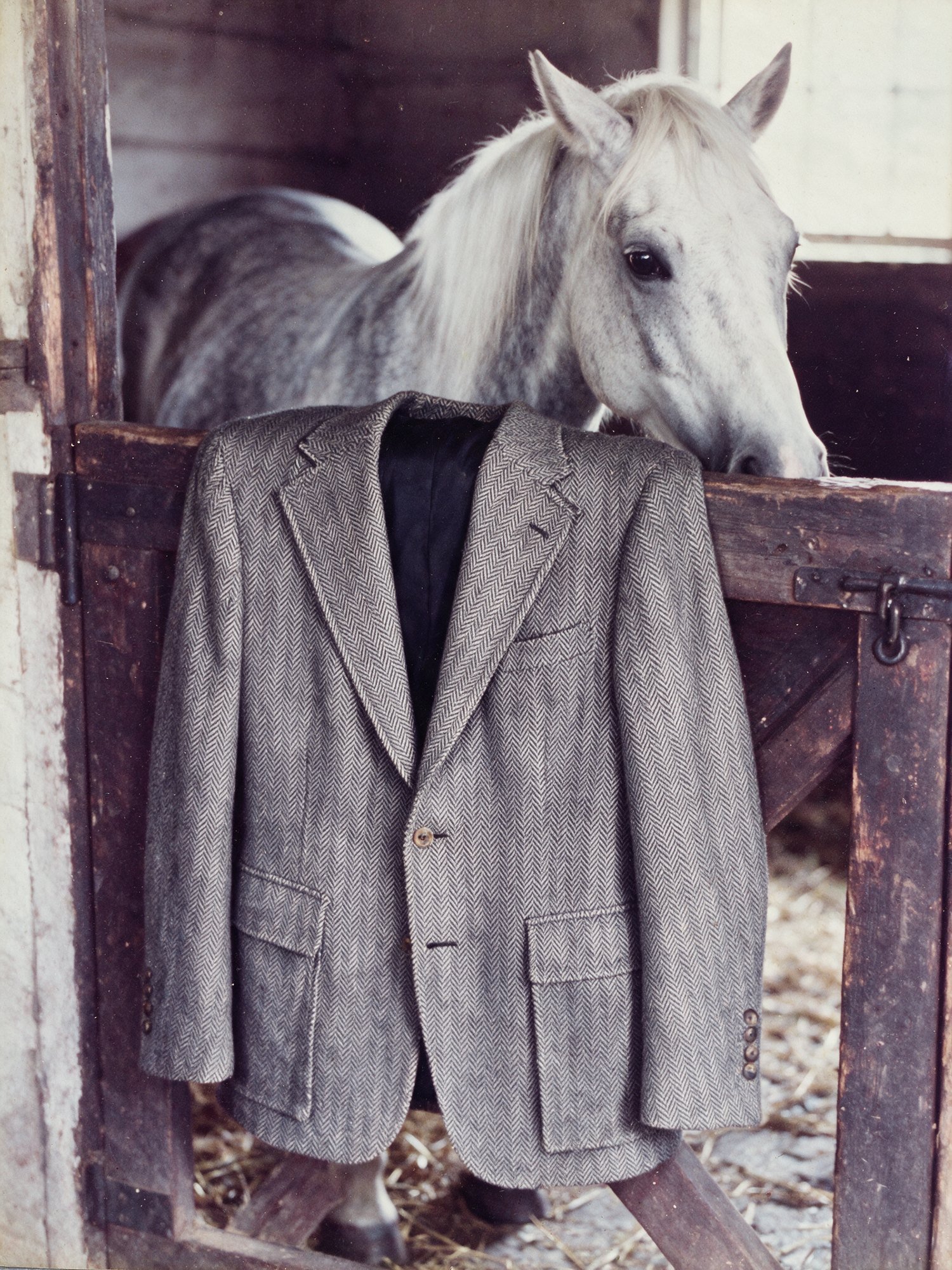
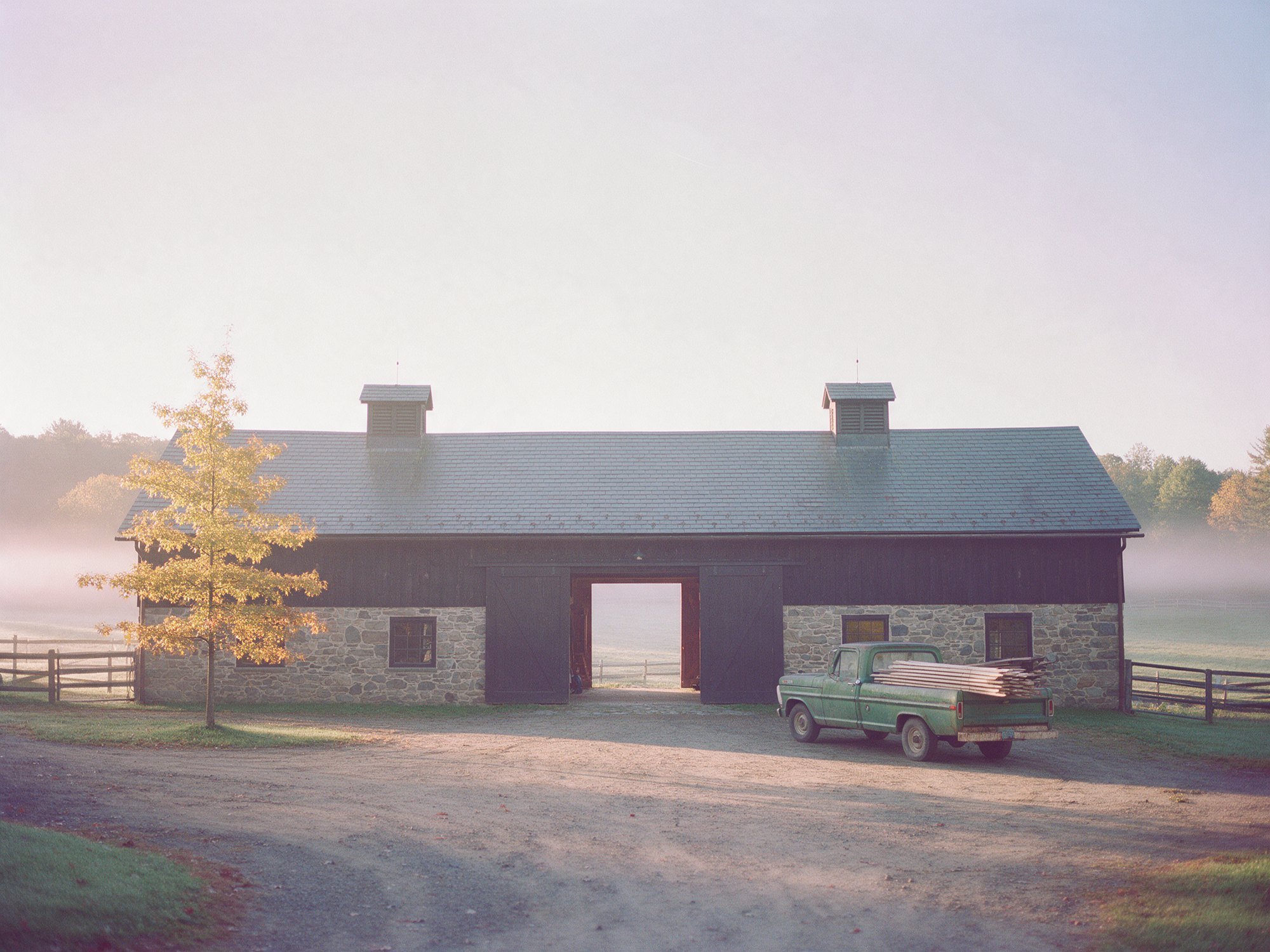
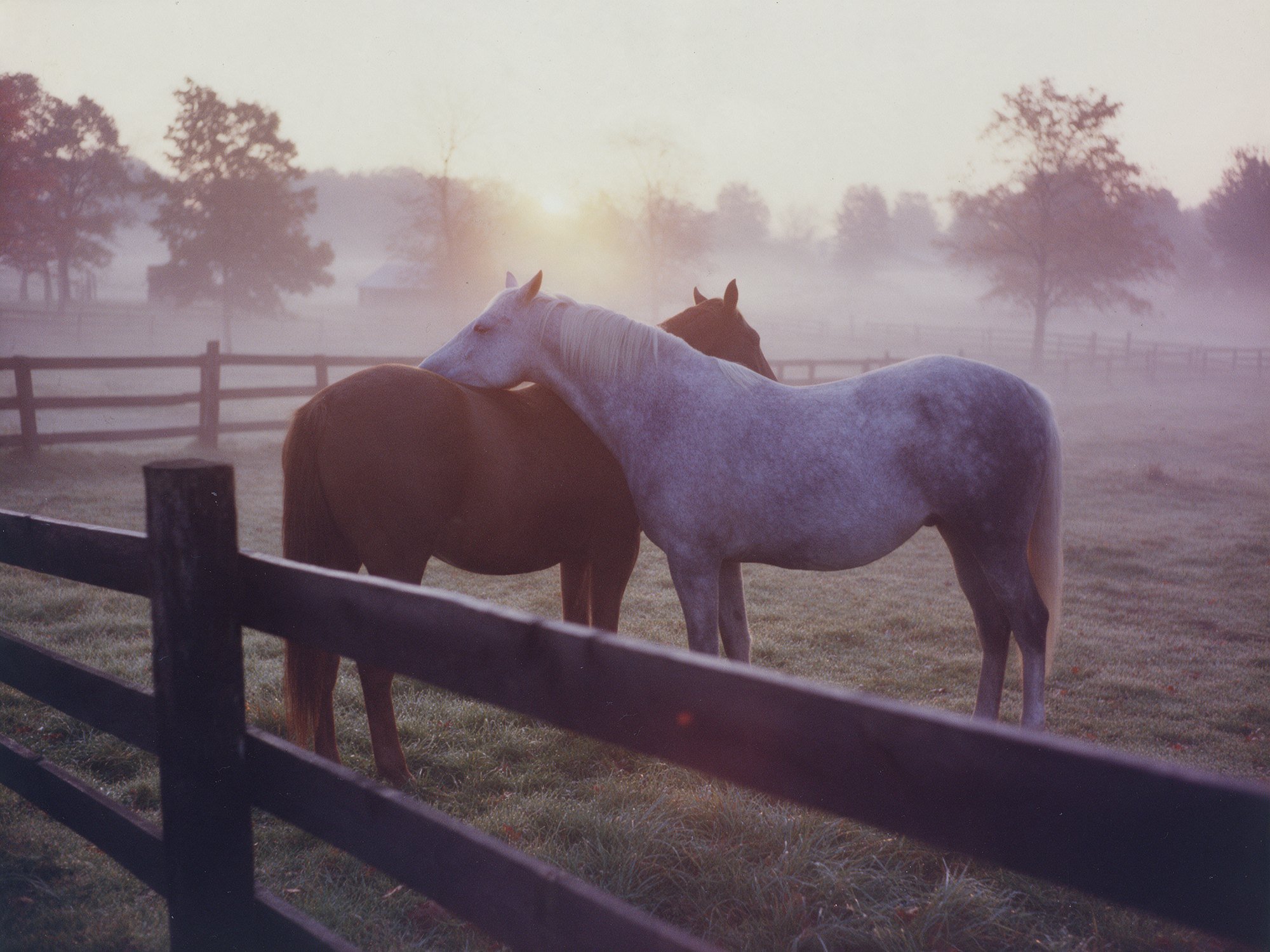
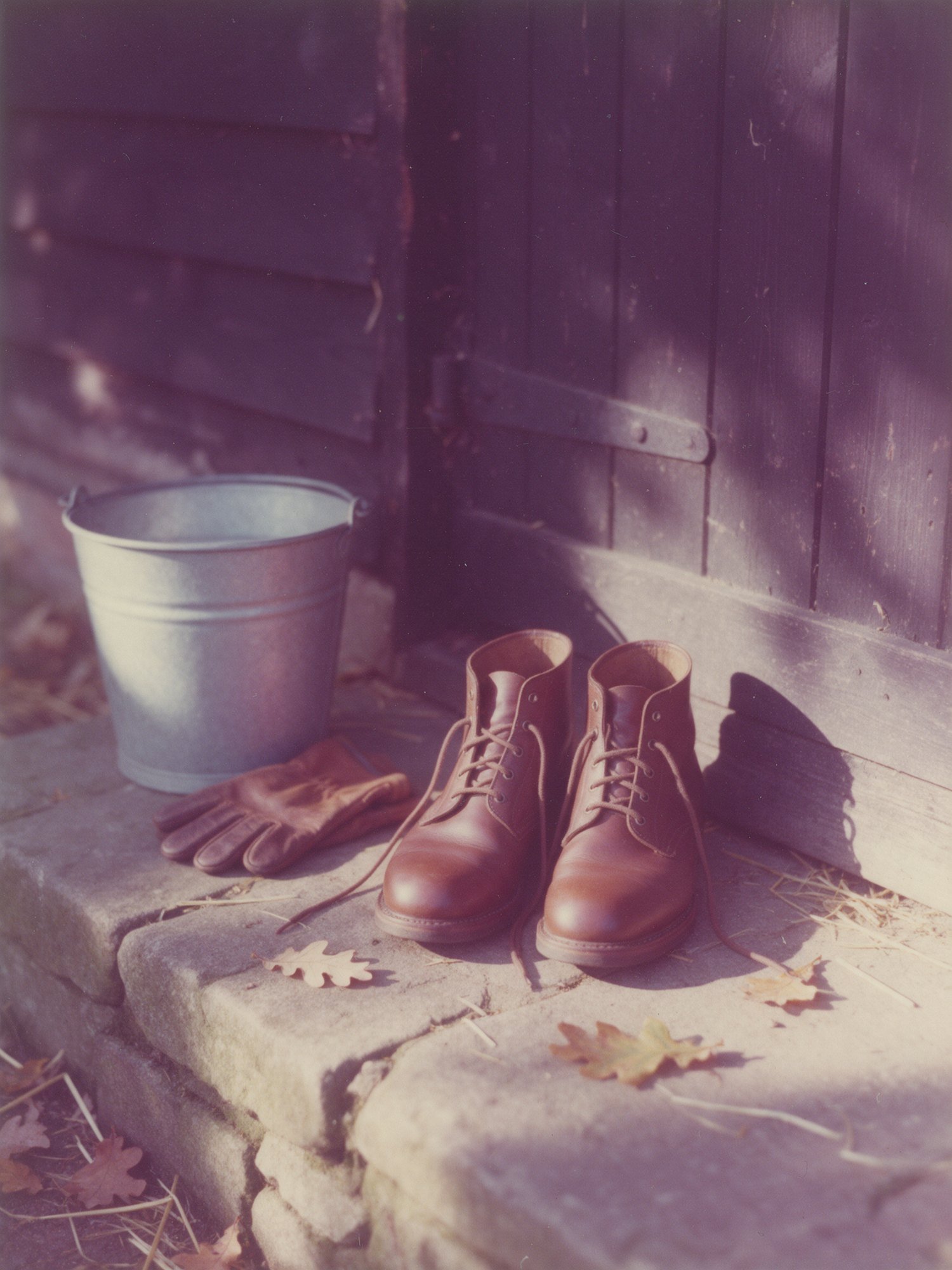
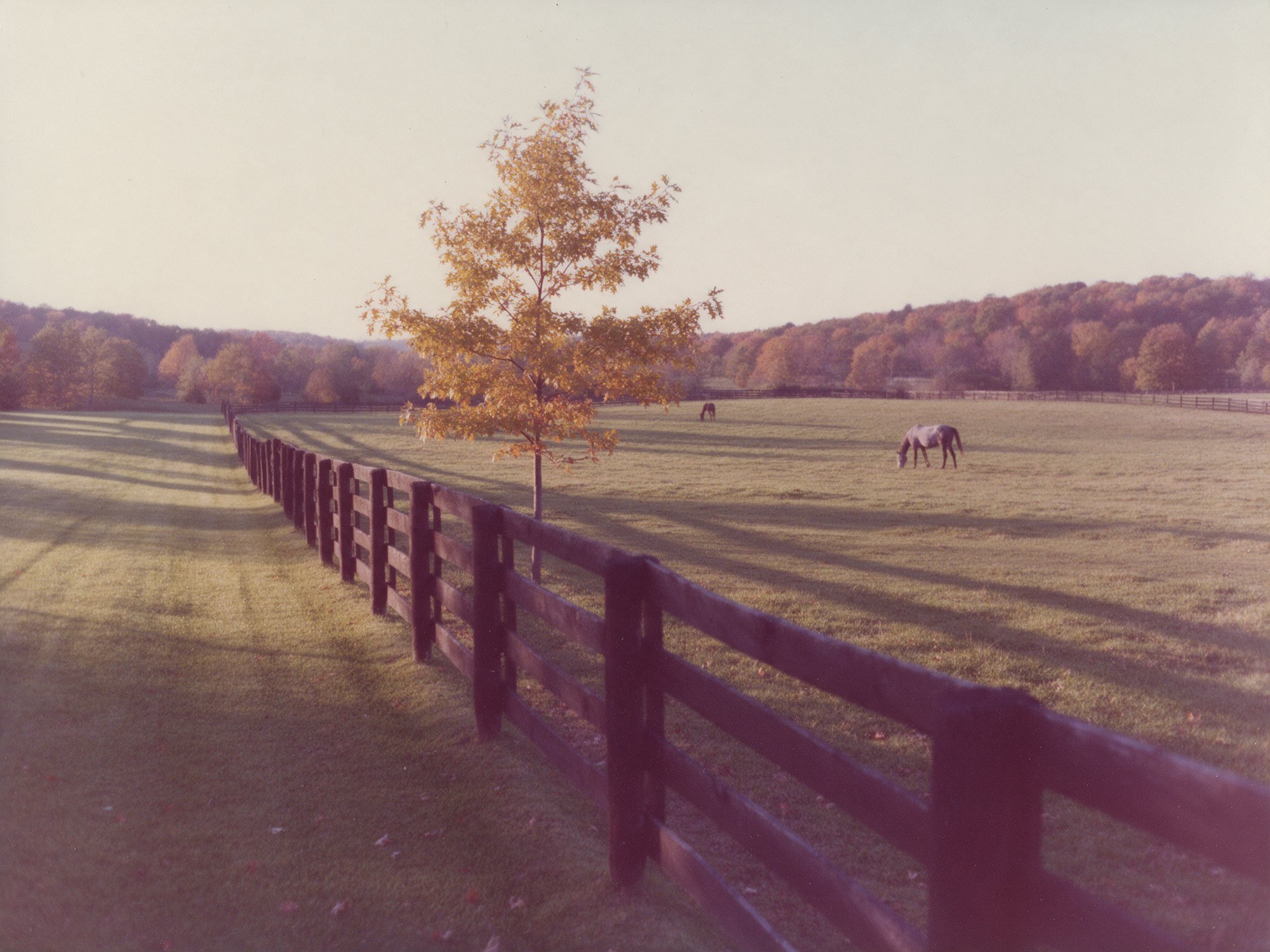
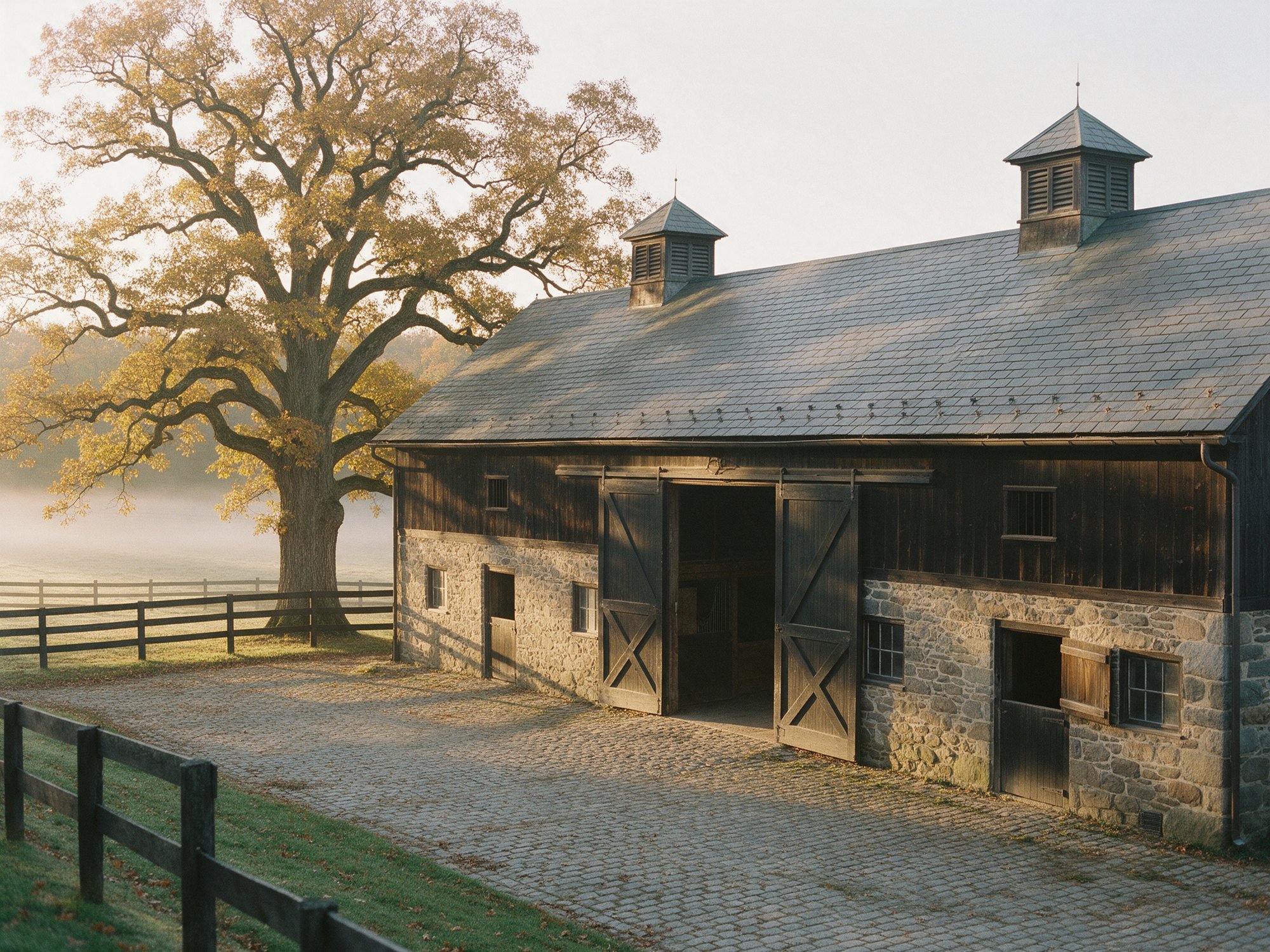
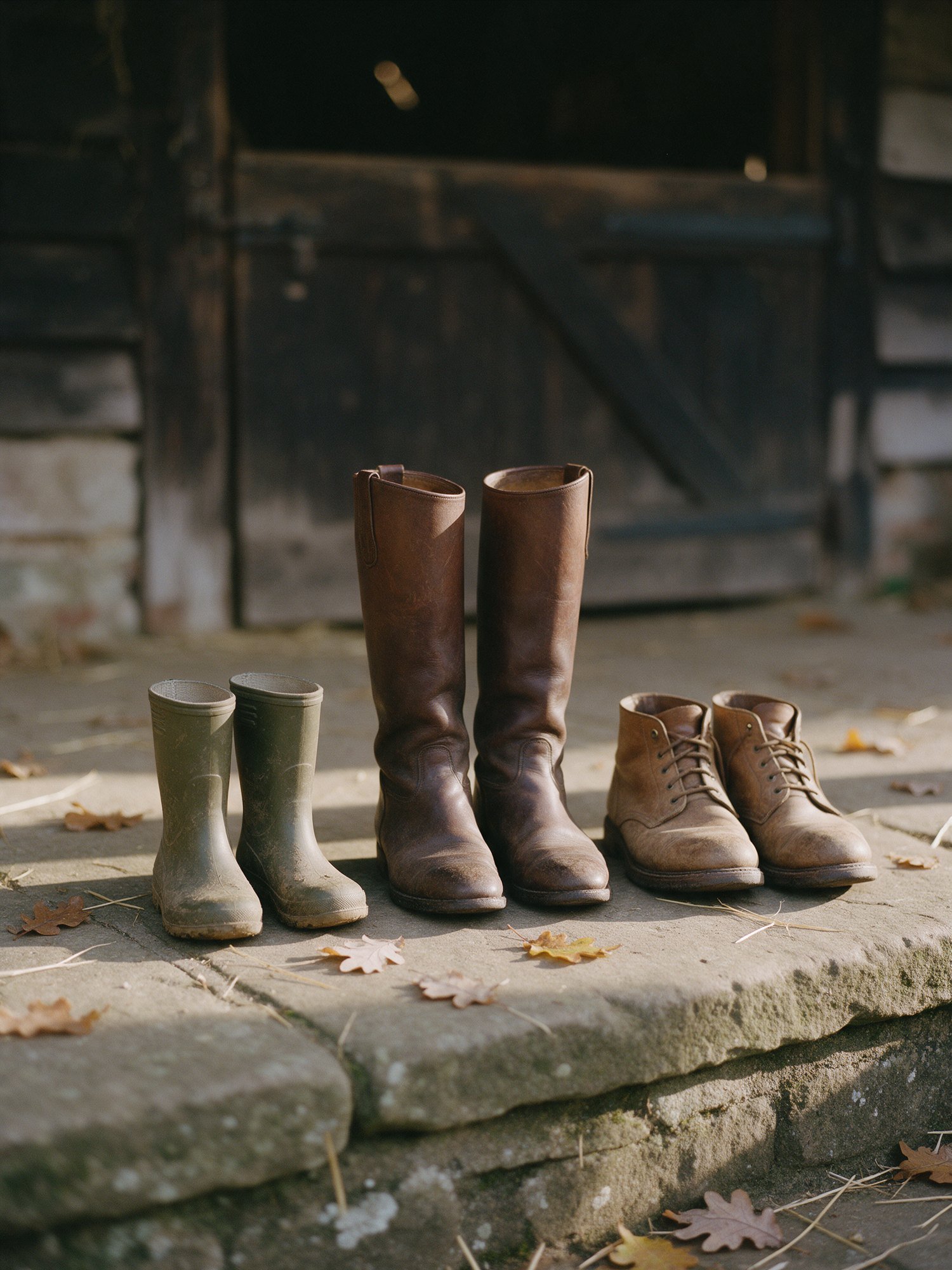
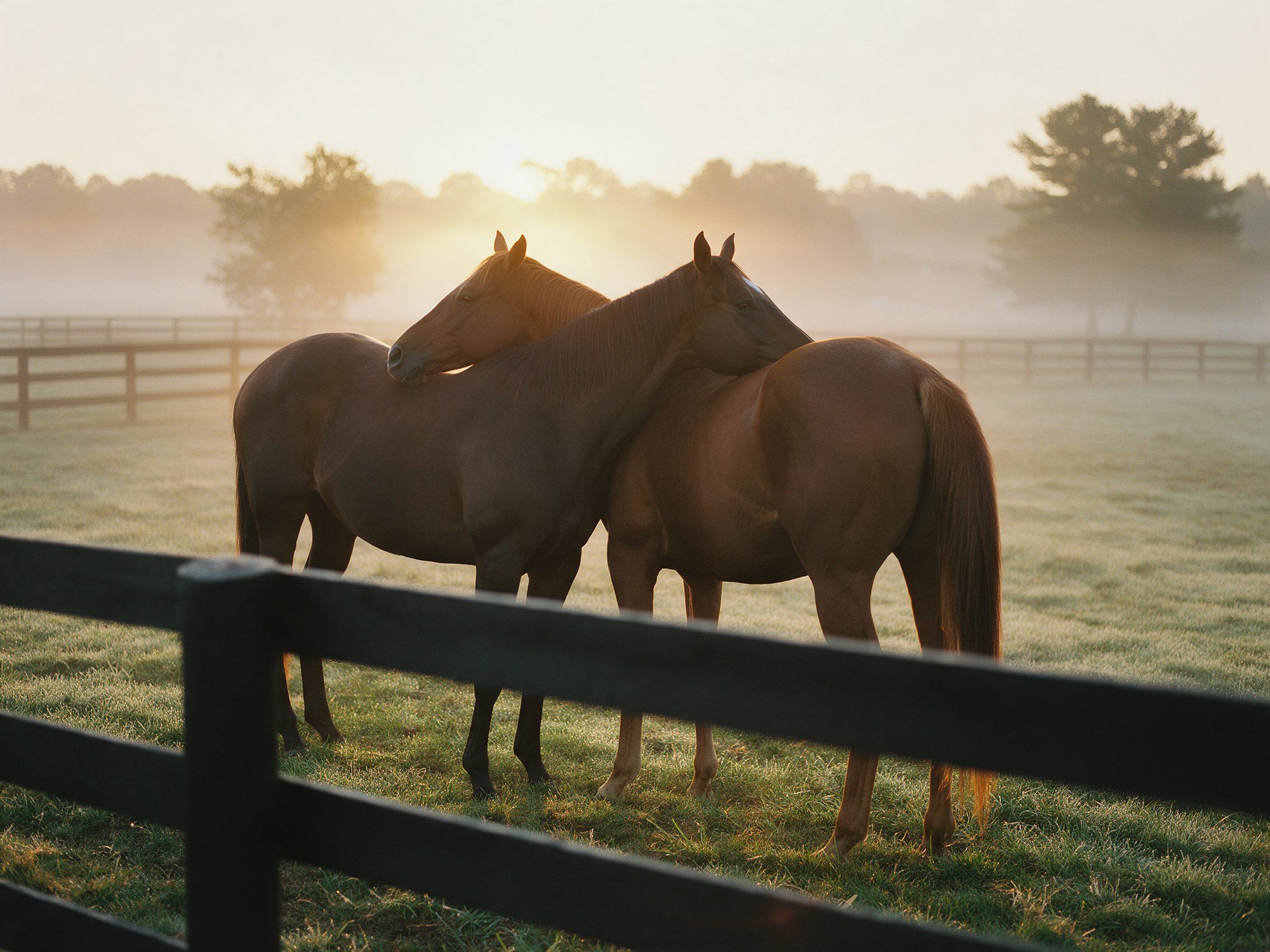
There are a few other pictures from that autumn, taken with the same camera and faded the same way. The barn with the truck in front of it and a load of rails in the bed. His boots on the step with a bucket. The two horses in the mist, which he must have got up early for, because he was not a man who photographed things for pleasure. And one of the jacket on the stall door with the mare looking over it, which I think my grandmother took, because nobody else on this farm has ever thought to photograph a coat. I have it in a frame now, next to the one of him. I am not sure which I look at more.
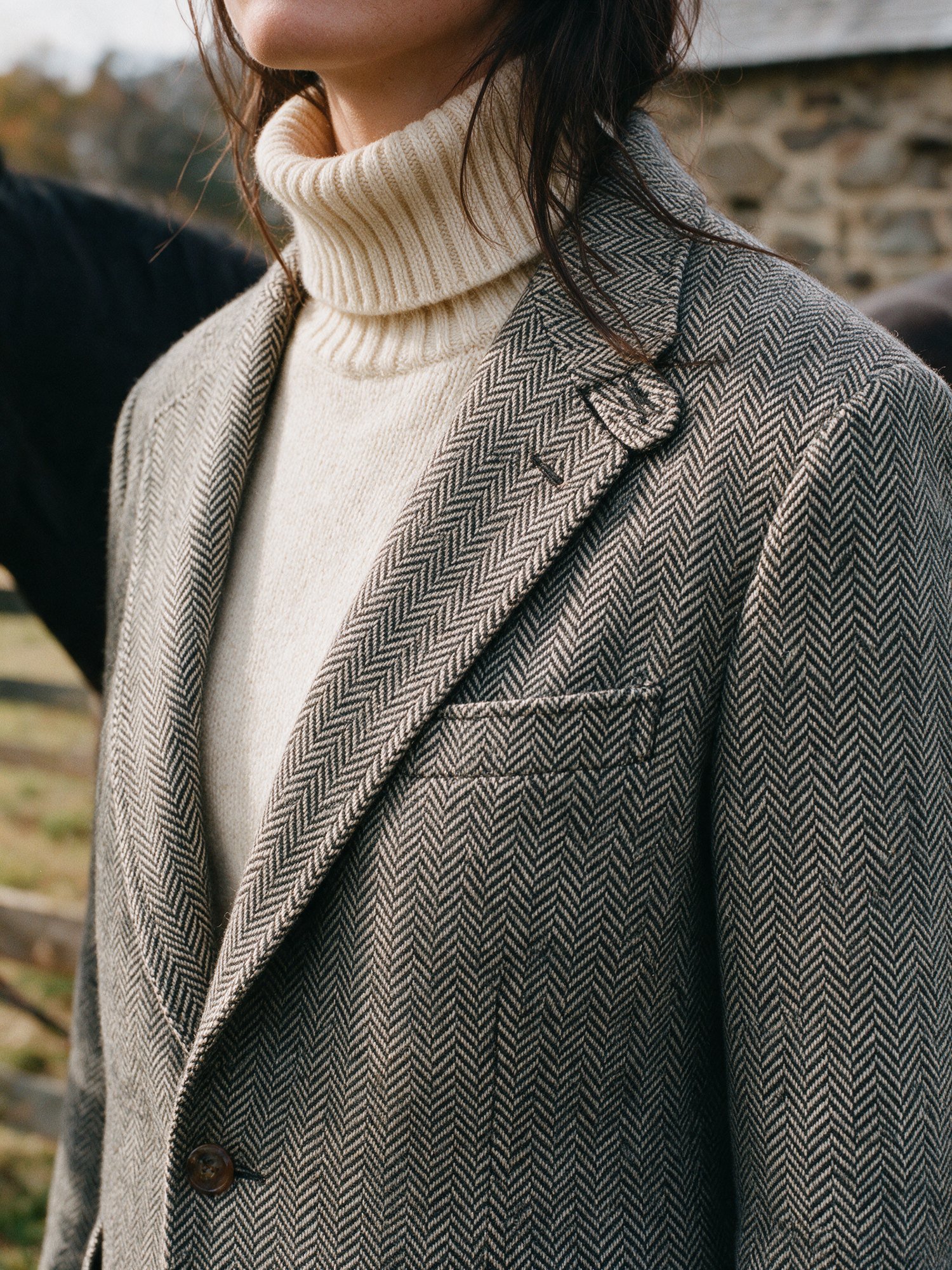
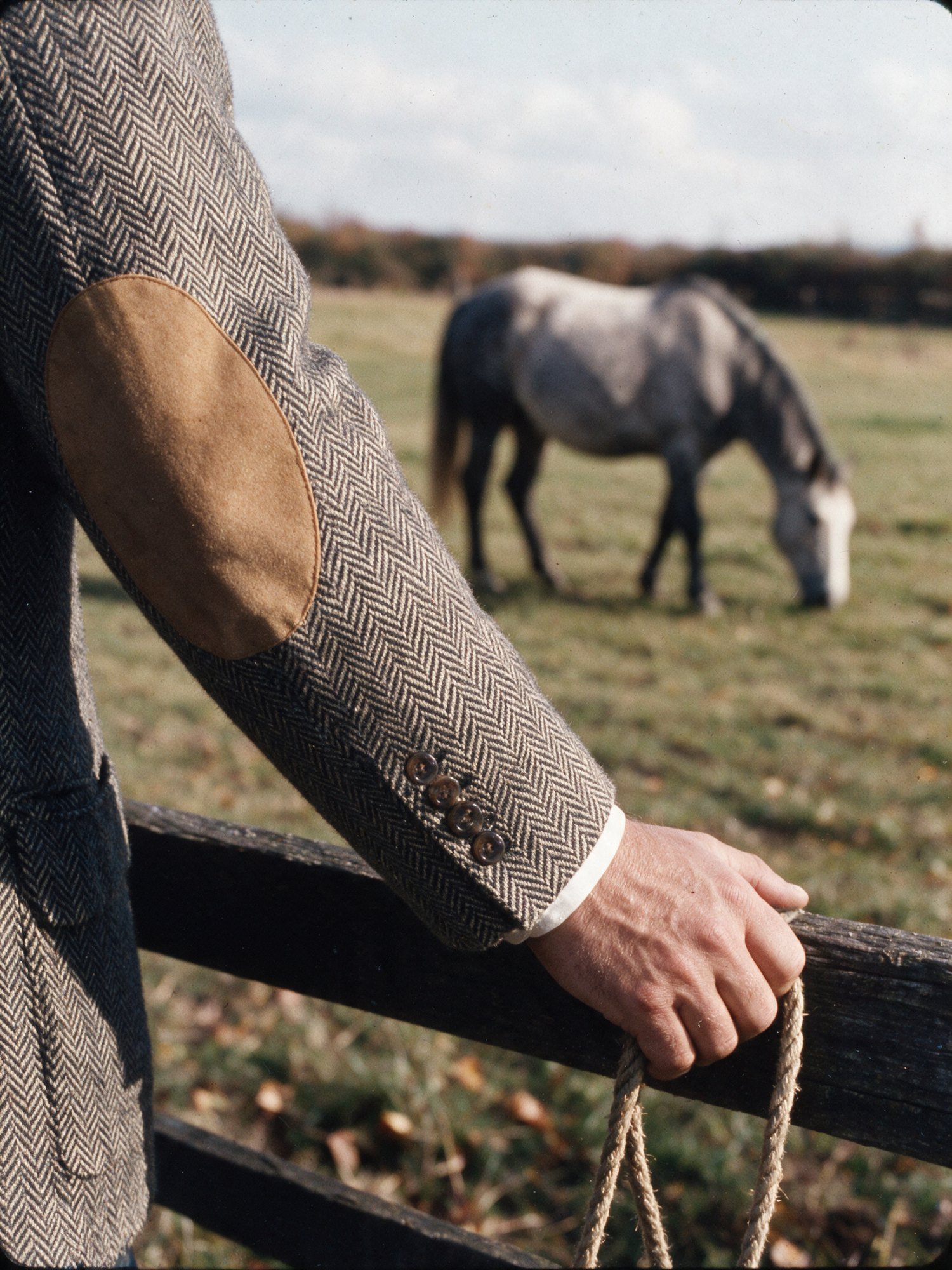
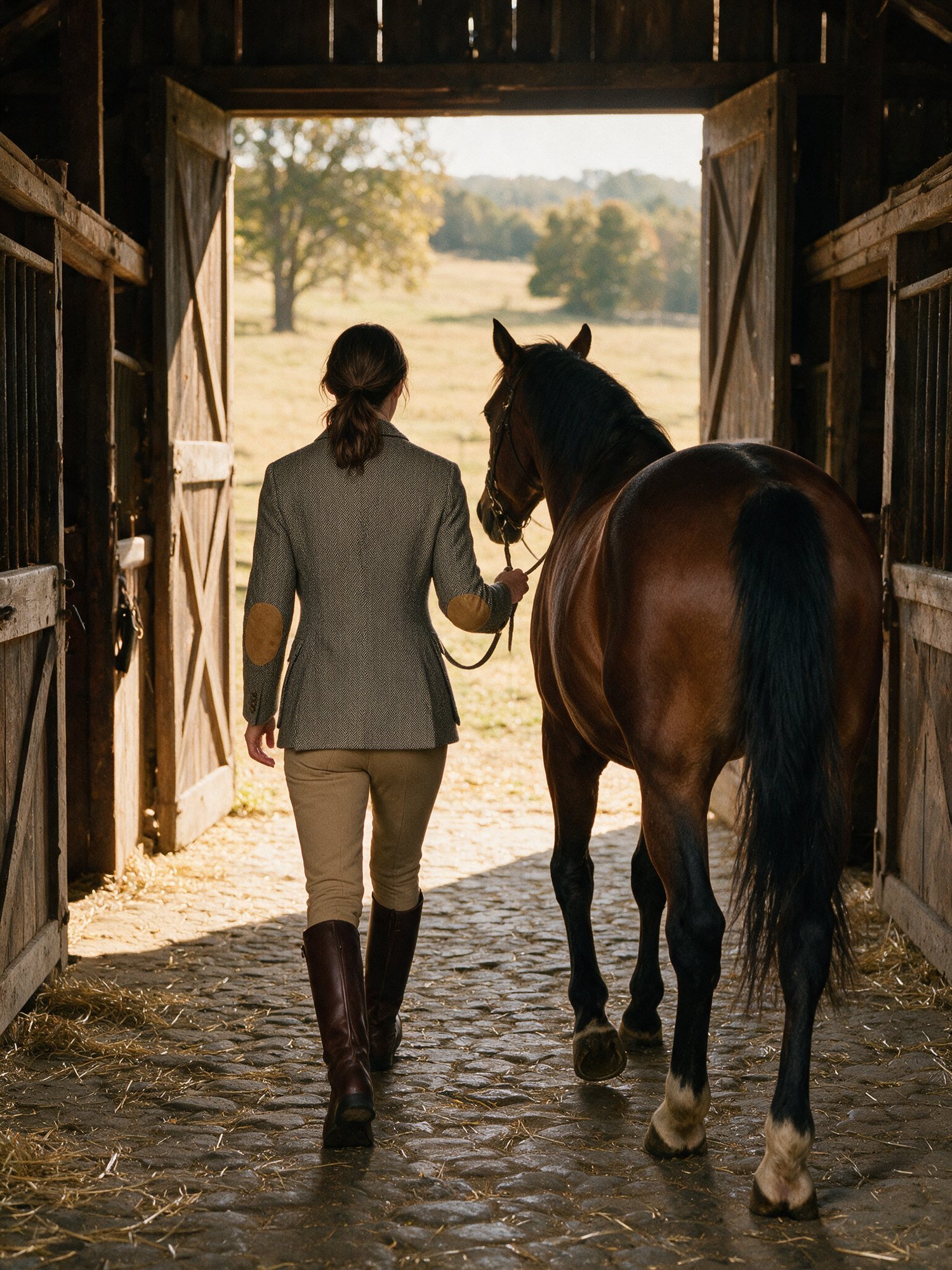
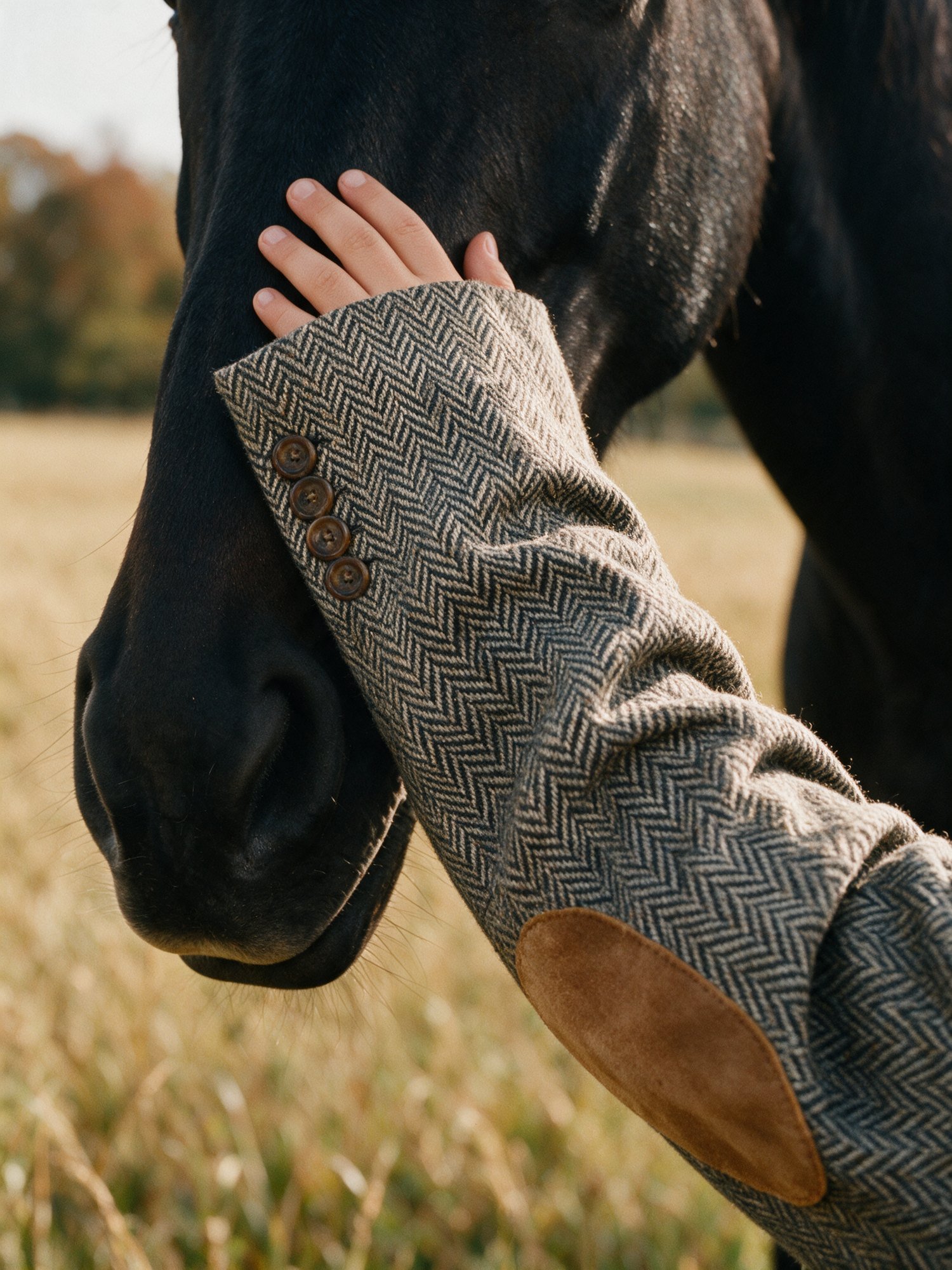
It is a herringbone, black and cream, a wool tweed that reads grey from across the yard and only shows you what it is when you are close enough to touch it, which is how I think of him too. Notch lapels, with a small tab under the collar that fastens across the throat in weather. I have never done it up. He never did either, and I find I can’t be the one to start. A welt pocket at the chest, where he kept the stub of a pencil and I keep nothing, because I like to put my fingers in and find it empty. Two patch pockets with flaps, big enough for gloves, a hoof pick and whatever a child hands you to hold. Horn buttons, two at the front and four on each cuff.
One of the cuff buttons is not original. My mother sewed it on at the kitchen table when I was small, after the dog got hold of the sleeve, and she chose one that didn’t quite match so that we would always know which. She is gone now too. I have thought more than once about replacing it with the right one, and I never will. It is the only stitching of hers I own.
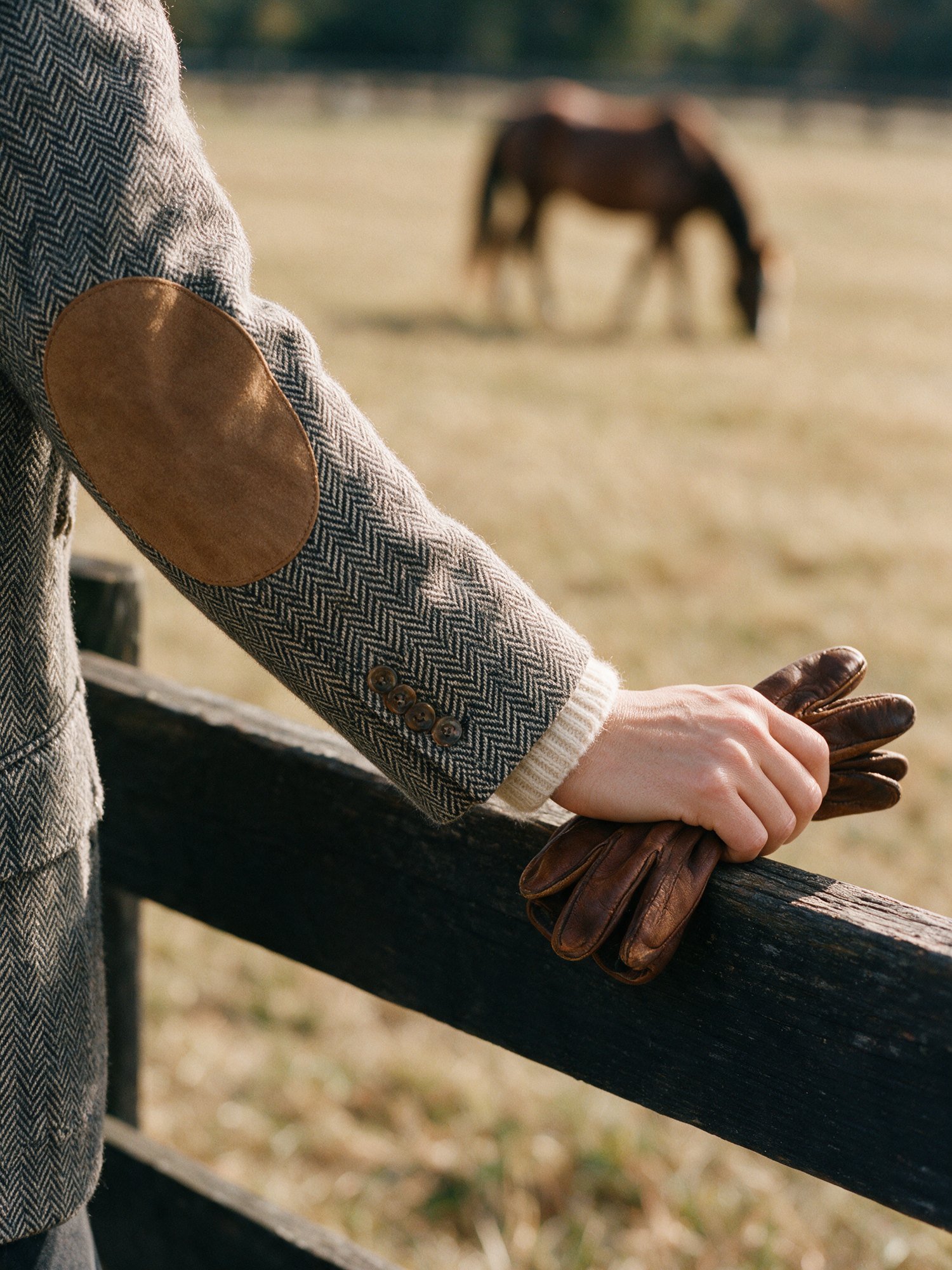
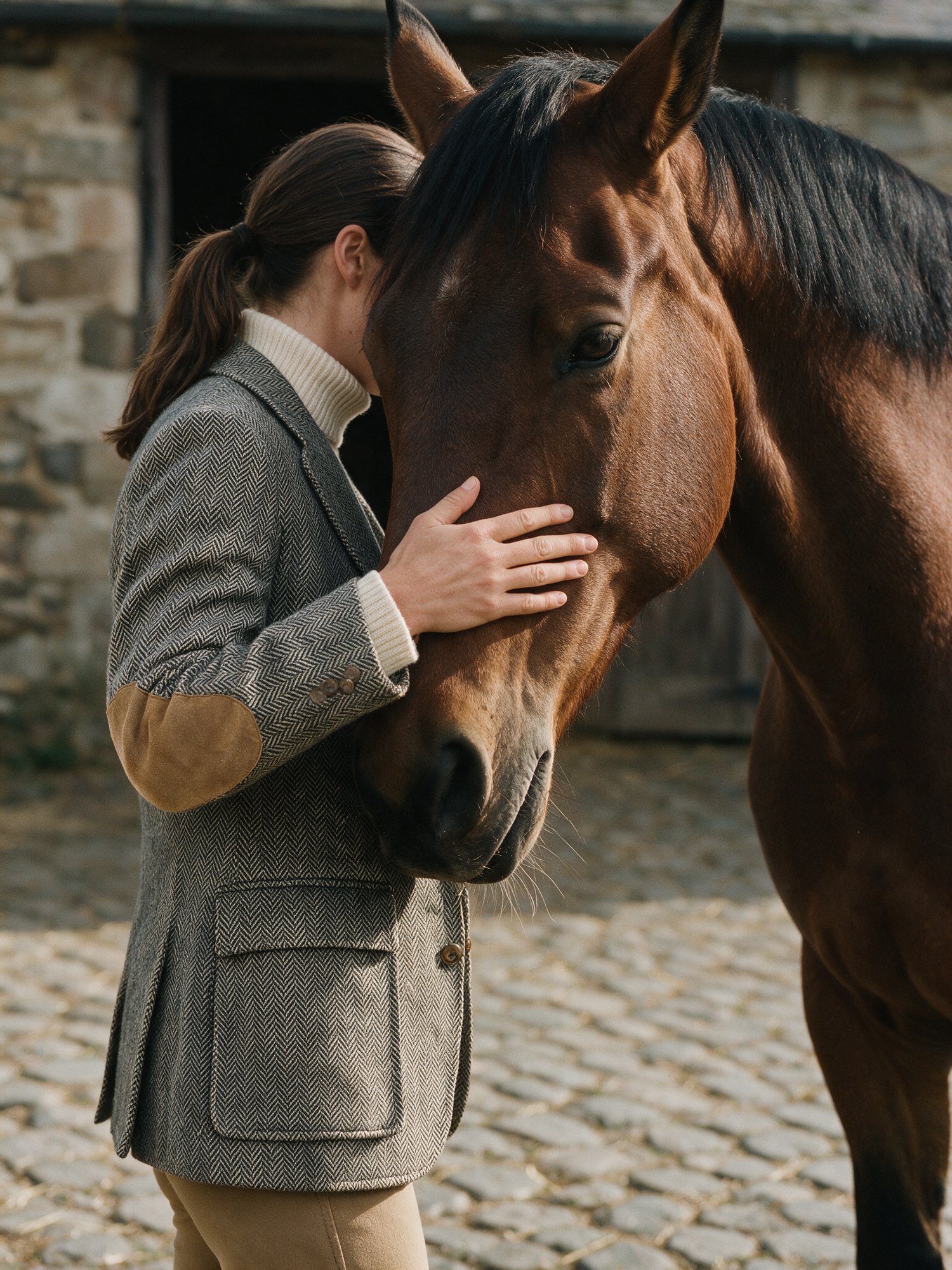
The elbows are suede. They were meant to be, which is more than can be said for most things on a farm that end up patched. The left one is darker than the right from the way he leaned on fences, and then from the way I do.
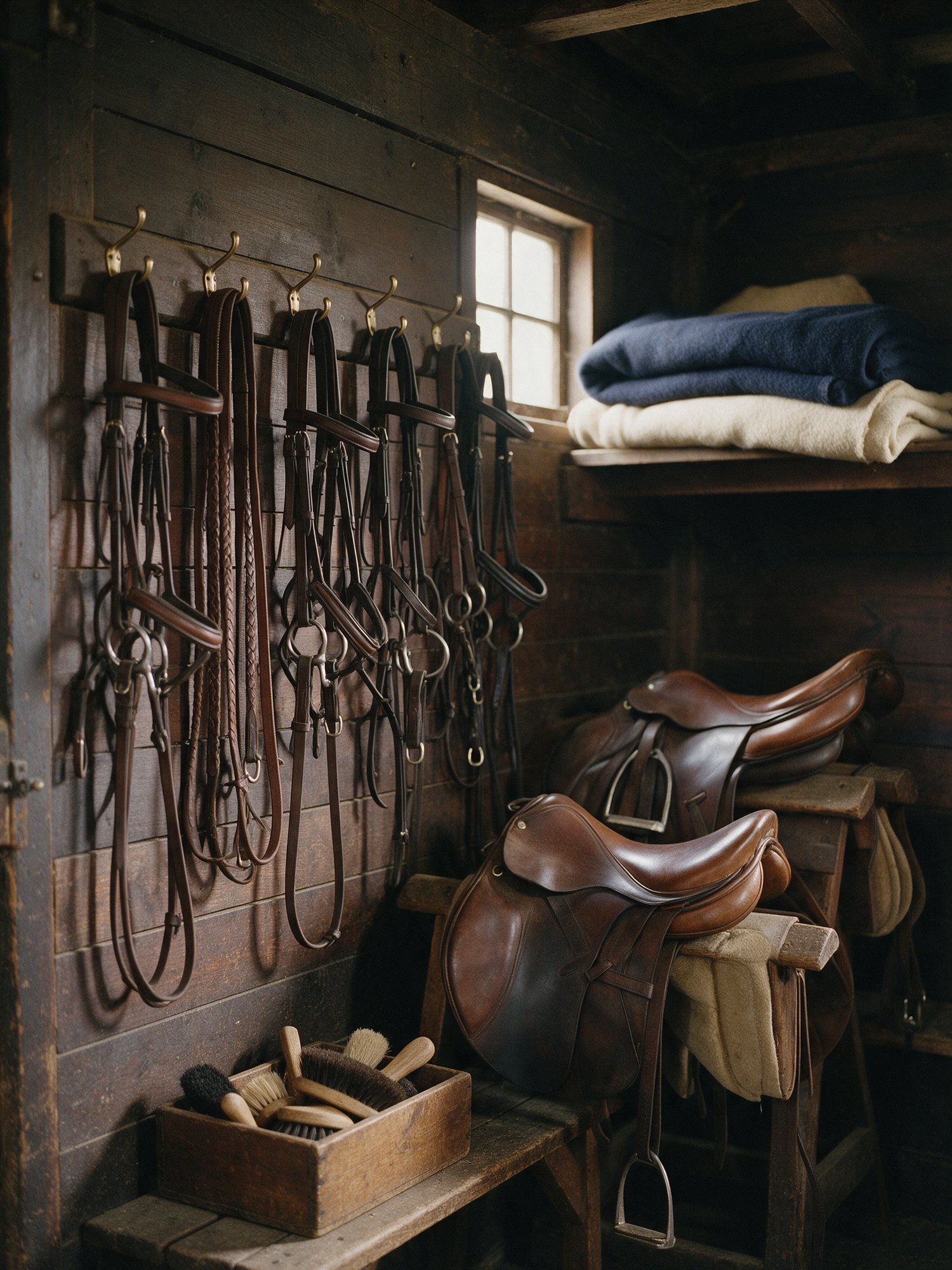
It has been taken in once, through the body and the sleeves, when it came to me, by a tailor in town who said it was a shame and then did it beautifully. It has been relined once. It has never been to a dry cleaner; it gets brushed, and hung in the tack room over the winter with the saddles, and that has been enough. The cloth has softened without going thin. I don’t know how to explain that except to say that it was made properly, by someone who expected it to be loved, and that it has been worn rather than kept.
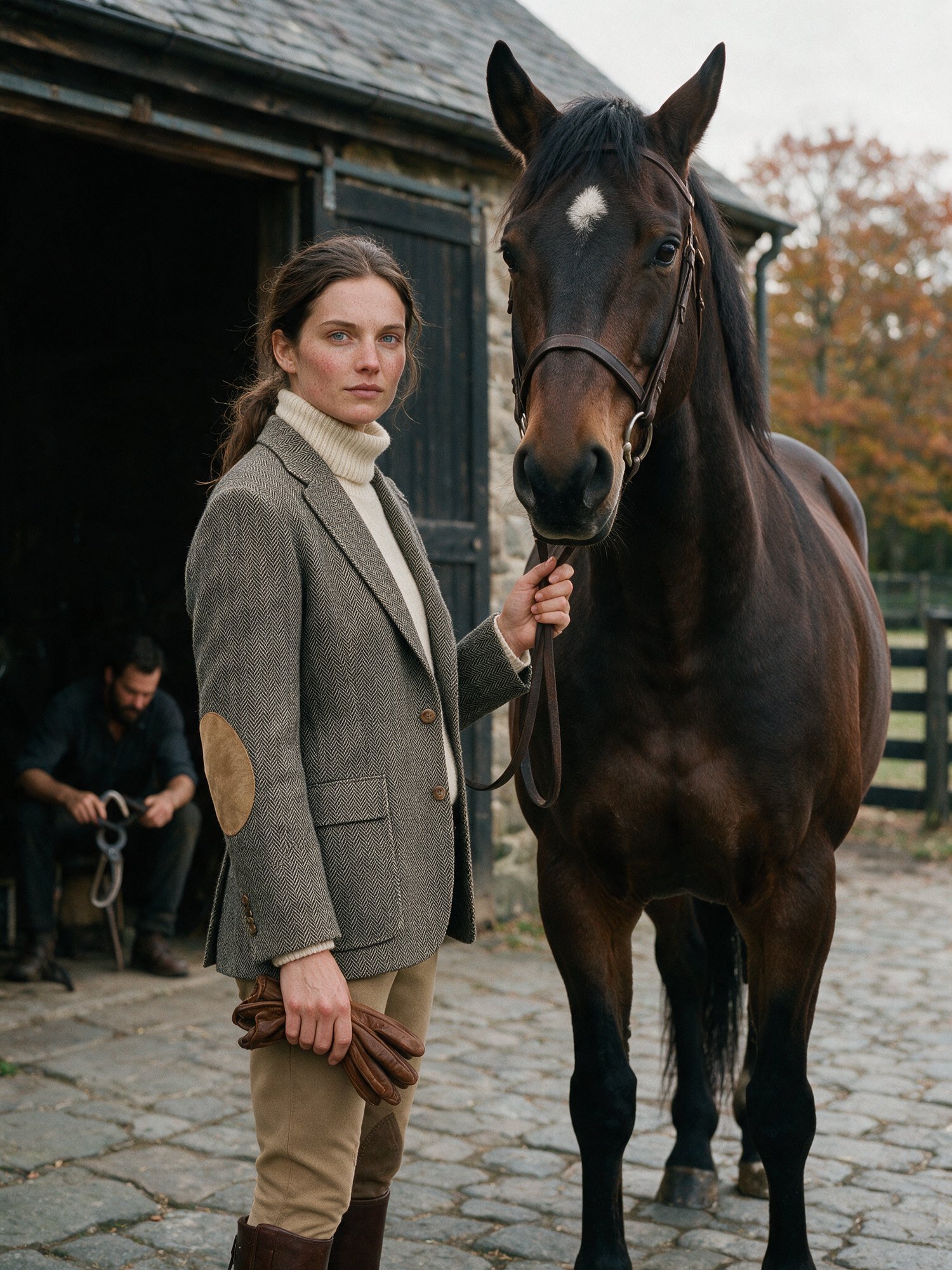
I wear it most mornings. It goes out to the yard before the light does, over a sweater, with my gloves in one pocket and usually a horseshoe nail in the other that I keep meaning to take out. Putting it on is the only part of the day I never have to think about. My arms know where the sleeves are.
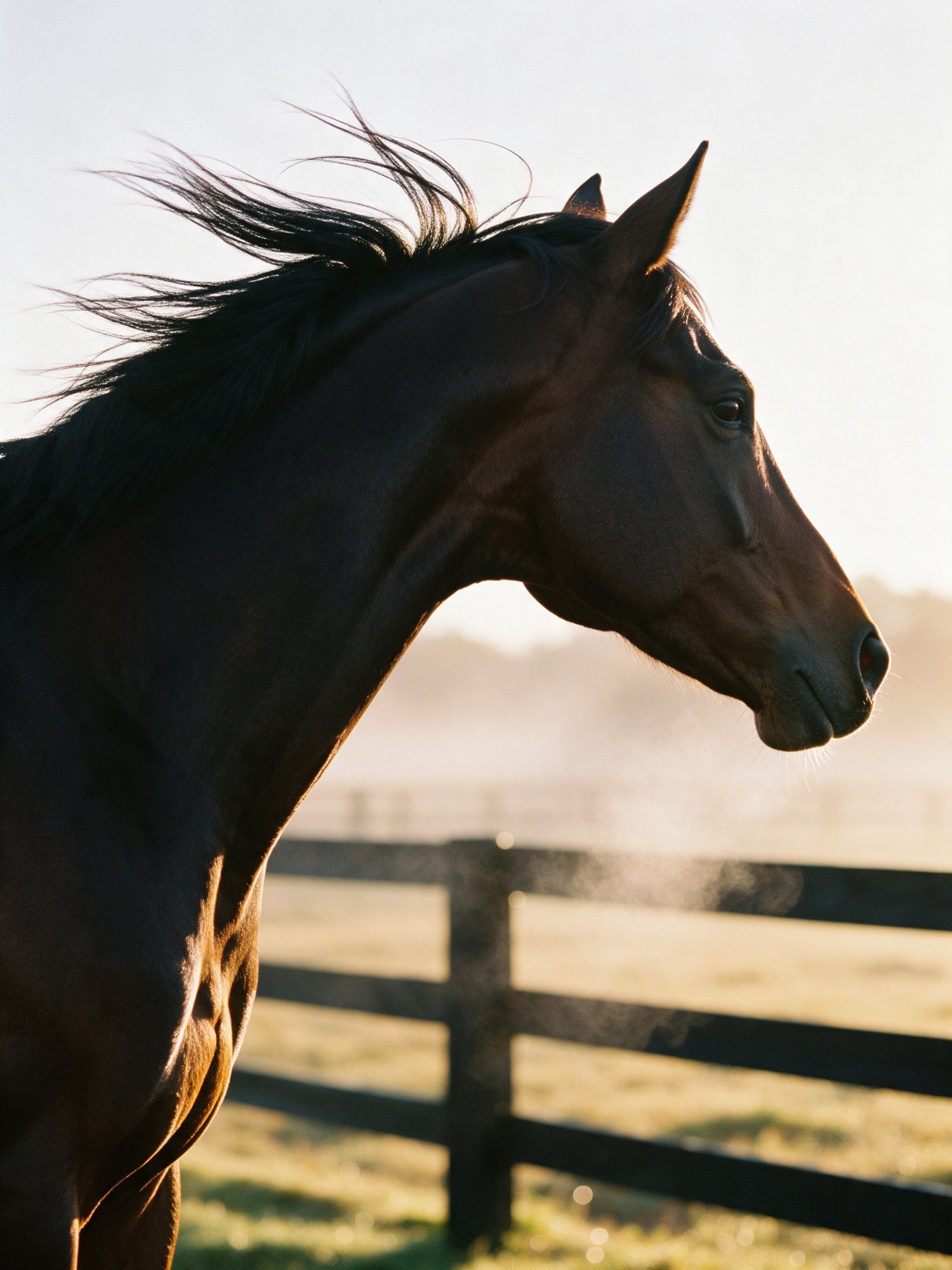
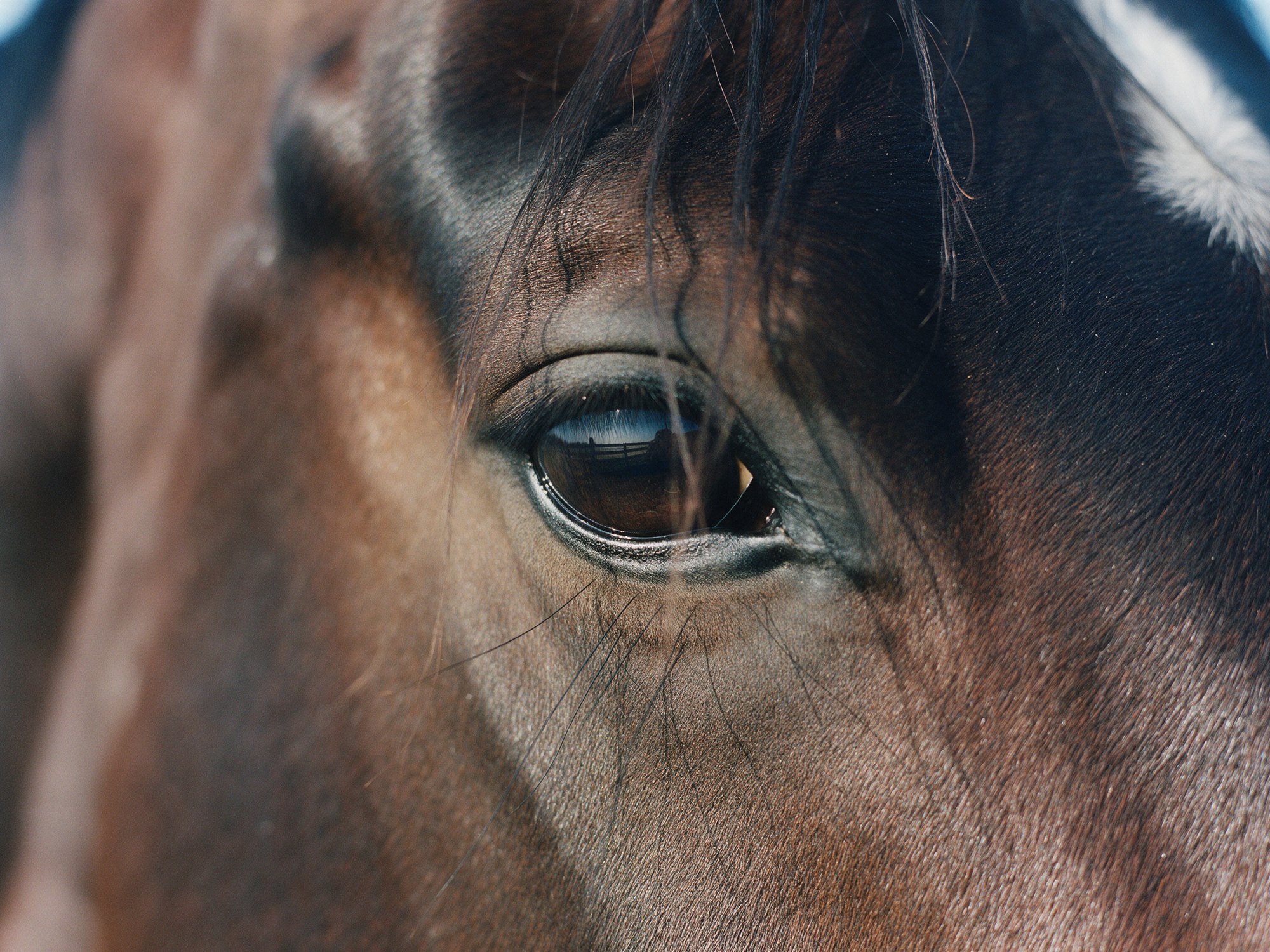
The mare I ride now is called Juno and she is far too much horse for me, which is the point of her. She noses the pocket for a treat every morning and has never once found one, and every morning she checks again. I have started to think that is what love looks like in a horse, and possibly in people. The jacket smells of her now, and of the barn, and only faintly, on cold mornings, of the thing it used to smell of.
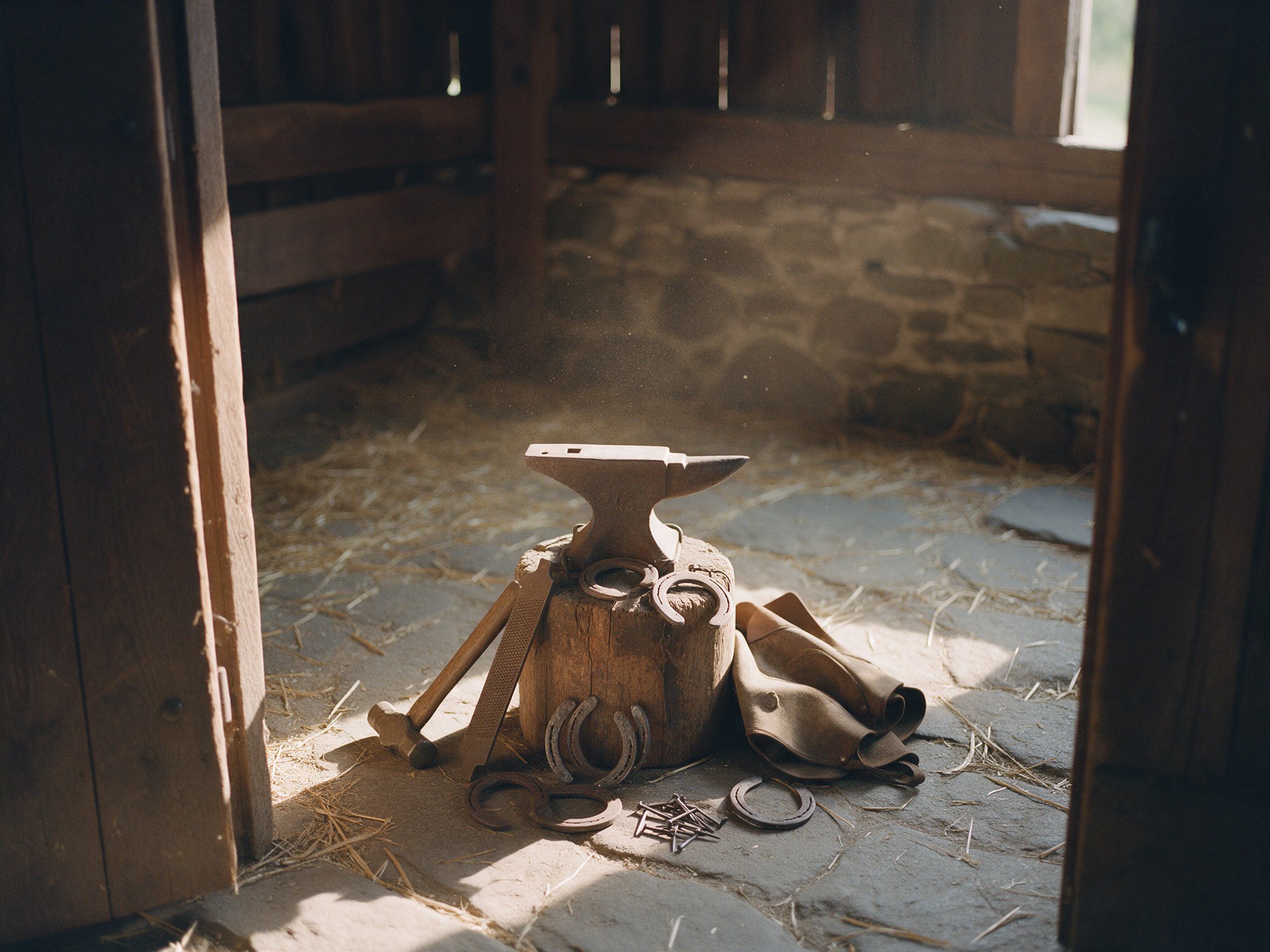
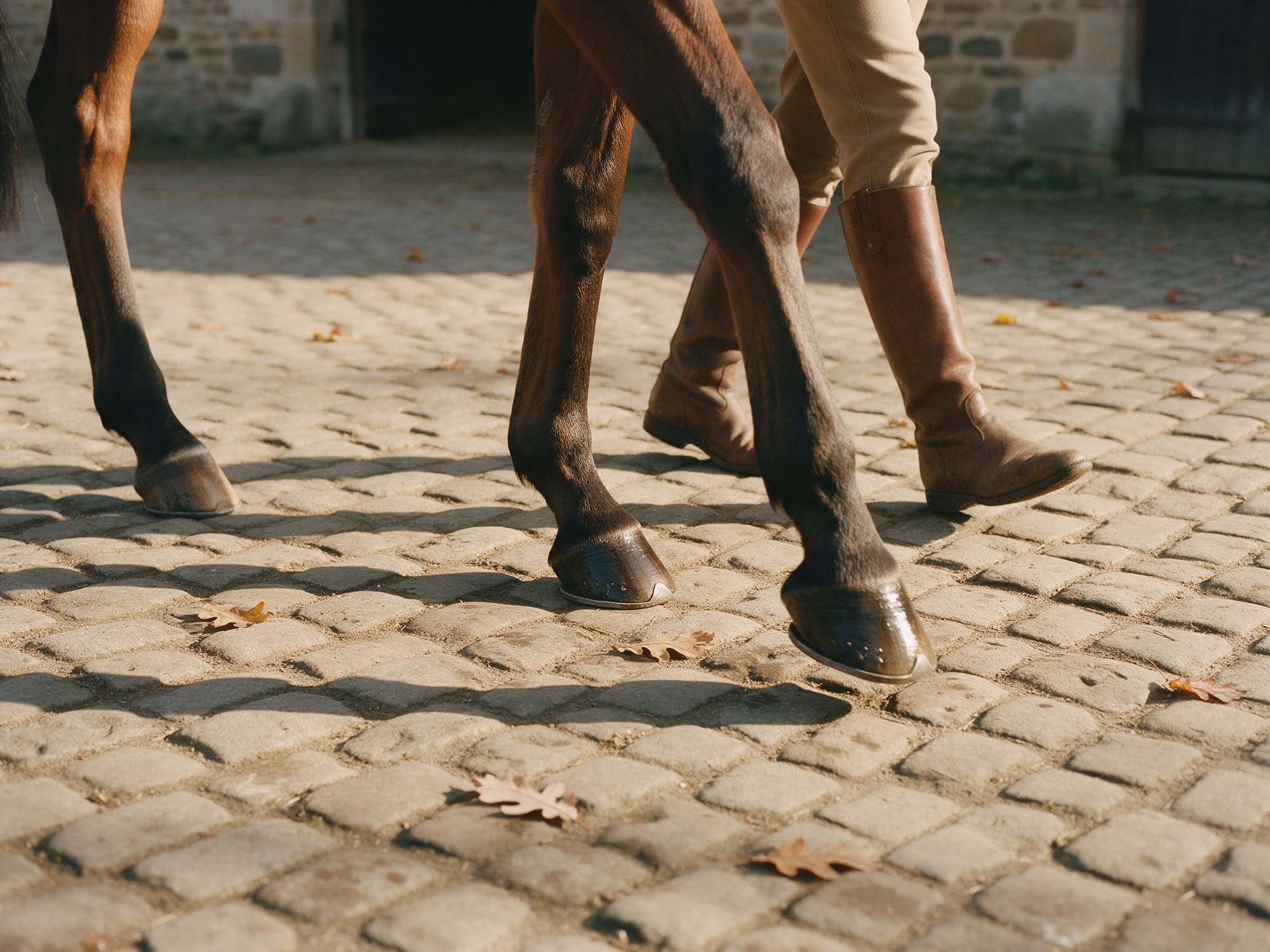
My husband says the barn is the only reason the horses trust me. He is probably right. He shoes them himself. He will tell you he is not a farrier, and then spend an hour on a hind foot with the anvil in the doorway and the light coming in over him, and pretend not to notice if anyone takes his picture. The anvil was my grandfather’s too. So is most of the tack room, and the rhythm of the place, and in a way so is the man, since I married the one who would have made my grandfather nod.
Last week my son put the jacket on while I wasn’t looking. He is seven. It reaches his knees, and the sleeves go past his hands unless he shoves them up, which he did, badly, the way I did at his age. I came round the corner of the barn and saw him and had to stop walking.
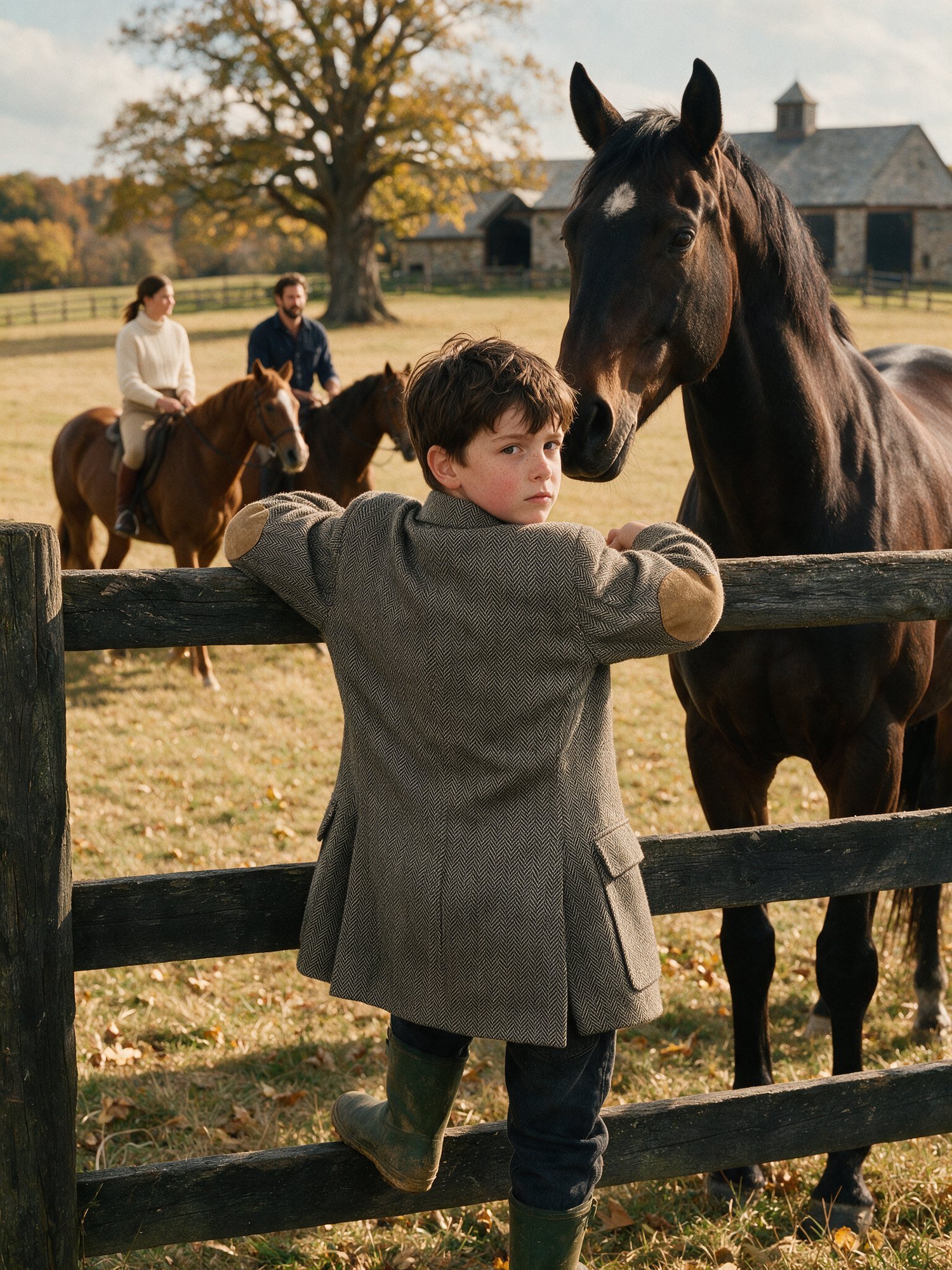
He had climbed the fence in it the way his great-grandfather is standing in that photograph, one boot on the bottom rail and both arms over the top, and nobody told him to. Nobody has ever shown him the photograph. The horse he was talking to was Juno. She let him, which she does not do for everyone.
He wore it the rest of the afternoon, to the barn and then out into the lower pasture after us when we rode, running to keep up, the sleeves flapping. Then he got hot, took it off, left it on the low branch of the oak, and ran.
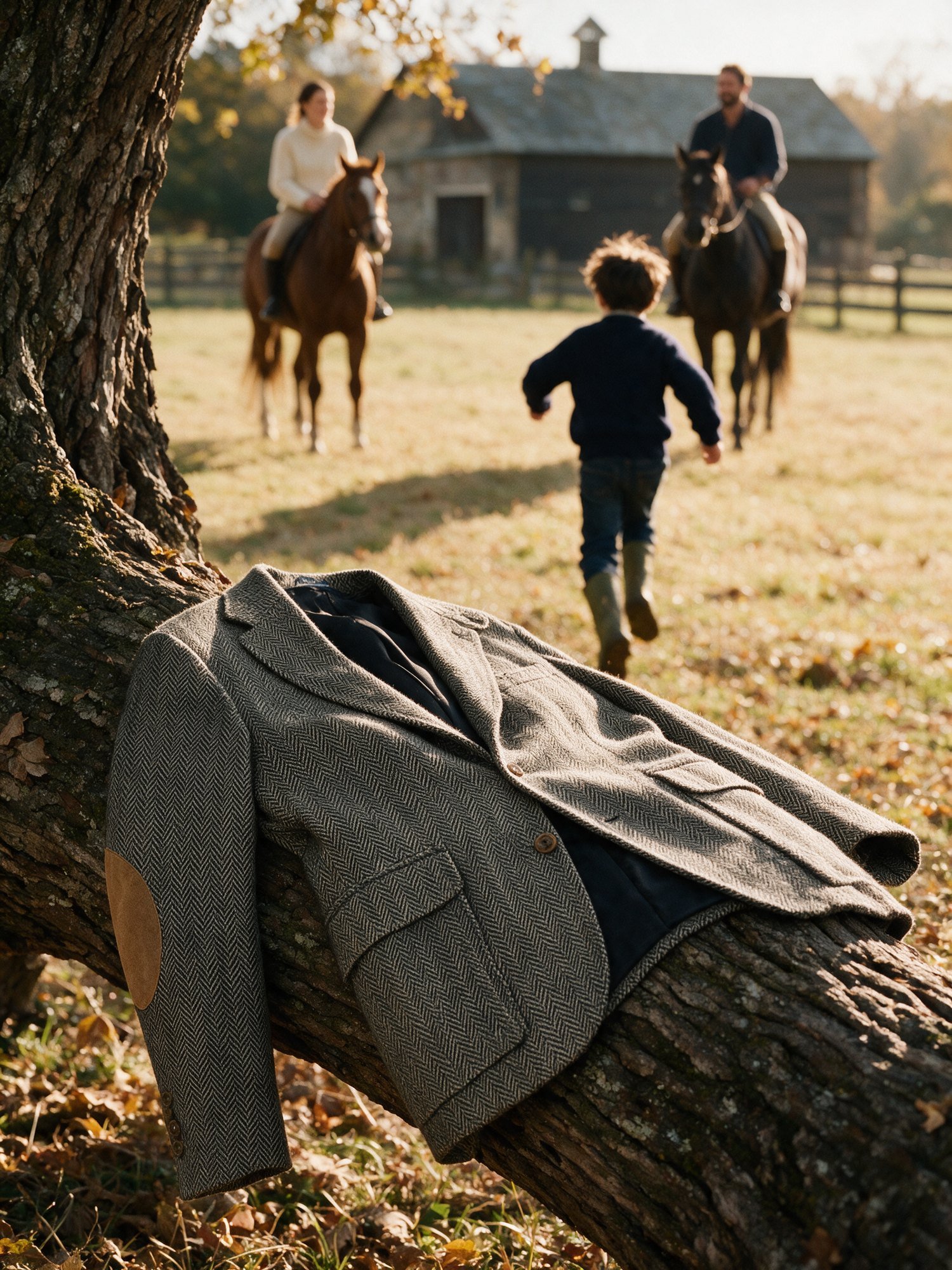
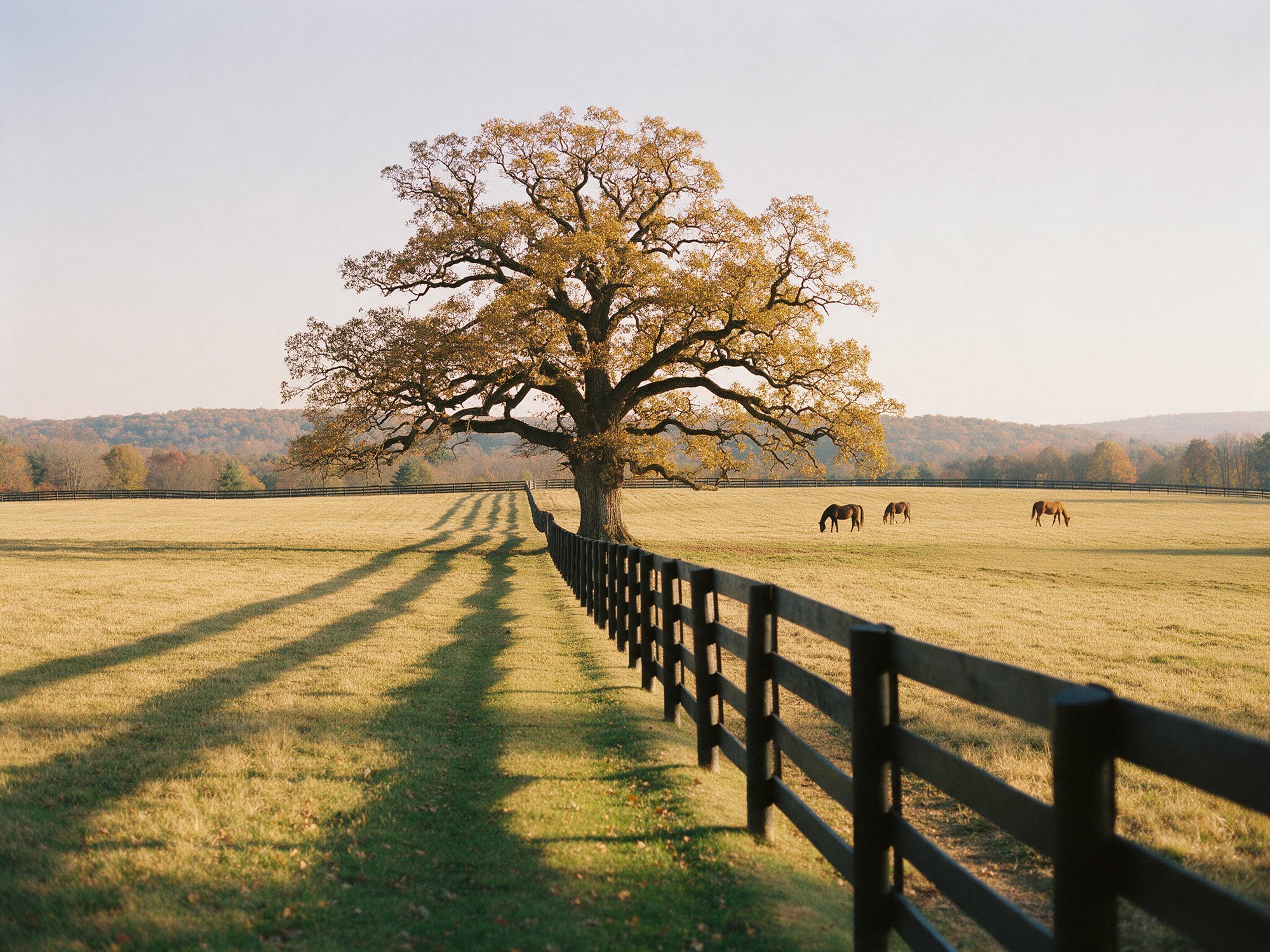
The oak is big now. It was planted, or more likely just left, the year the fence went in, and it has had more than fifty autumns to get to the size where a boy can leave a jacket on it without thinking. I didn’t call him back about it. I stood by the fence and watched the jacket on the branch with the light going, and my husband came and stood next to me and didn’t say anything, which is the thing I married him for.
It has been left on worse things, and it has always come back in. I expect it will outlast me. I expect he will leave it somewhere I wouldn’t, and lend it to someone I wouldn’t, and take the button off and put the right one on, and that one day he will come round the corner of a barn and see someone small in it and have to stop walking. That is what it is for. That is all a thing like this is ever for.
Inheritance is a spec campaign. The people, the farm and the story are invented. The jacket is real; the brand isn’t named, and none of this was commissioned by or made with the clothing’s maker.
Images generated and finished by Finalbyte.